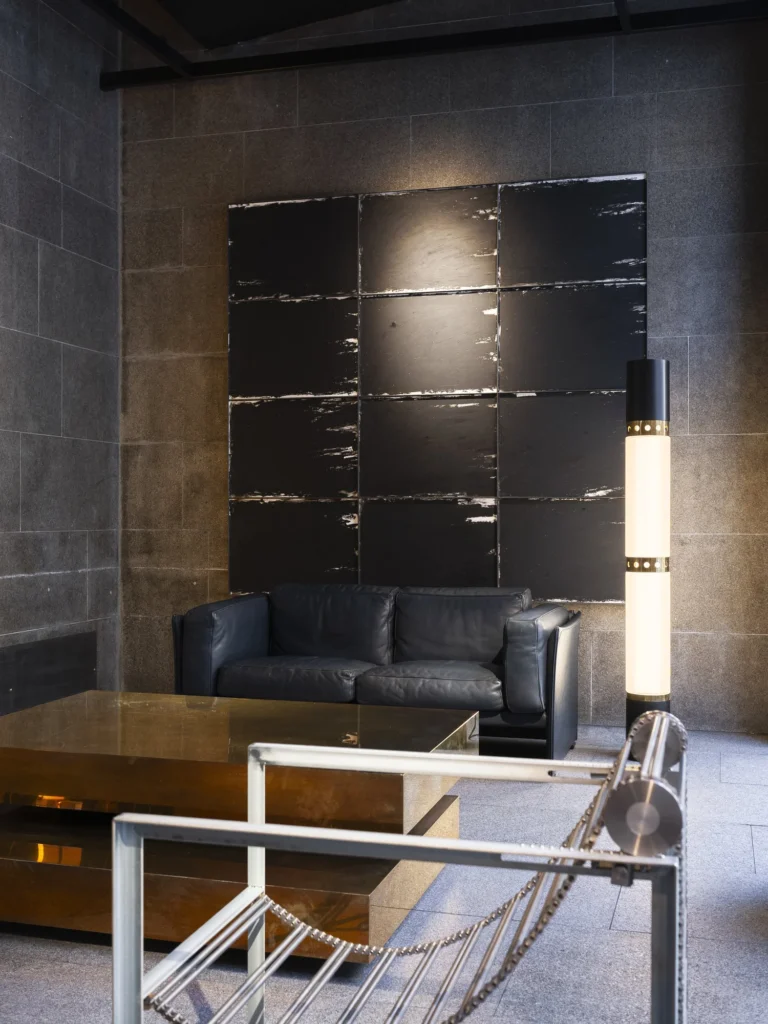
Balneário Camboriú is, without question, the epicenter of luxury vertical architecture in Brazil. Known for its imposing skyscrapers and panoramic ocean views, the city hosts the 2026 edition of CASACOR Santa Catarina between June 7th and July 19th. This year, the exhibition poses a fascinating challenge to professionals: how to transform high-altitude apartments into true emotional refuges? The answer revealed in the showcased environments is clear: through sensory design.
In an era where urban and digital life can disconnect us from the physical world, contemporary luxury is no longer defined solely by square footage or prime location. The new luxury is measured by the quality of the human experience within the space. In vertical architecture, where the connection to the ground is replaced by the vastness of sky and sea, sensory design acts as the anchor that restores comfort, warmth and identity to living.
The View Beyond the Horizon
The first and most obvious sensory experience in a high-end Balneário Camboriú apartment is sight. The landscape acts as the main architectural element, a living canvas that changes color and intensity throughout the day. However, 2026 sensory design teaches us that the view should not overshadow the interior, but rather engage in dialogue with it.
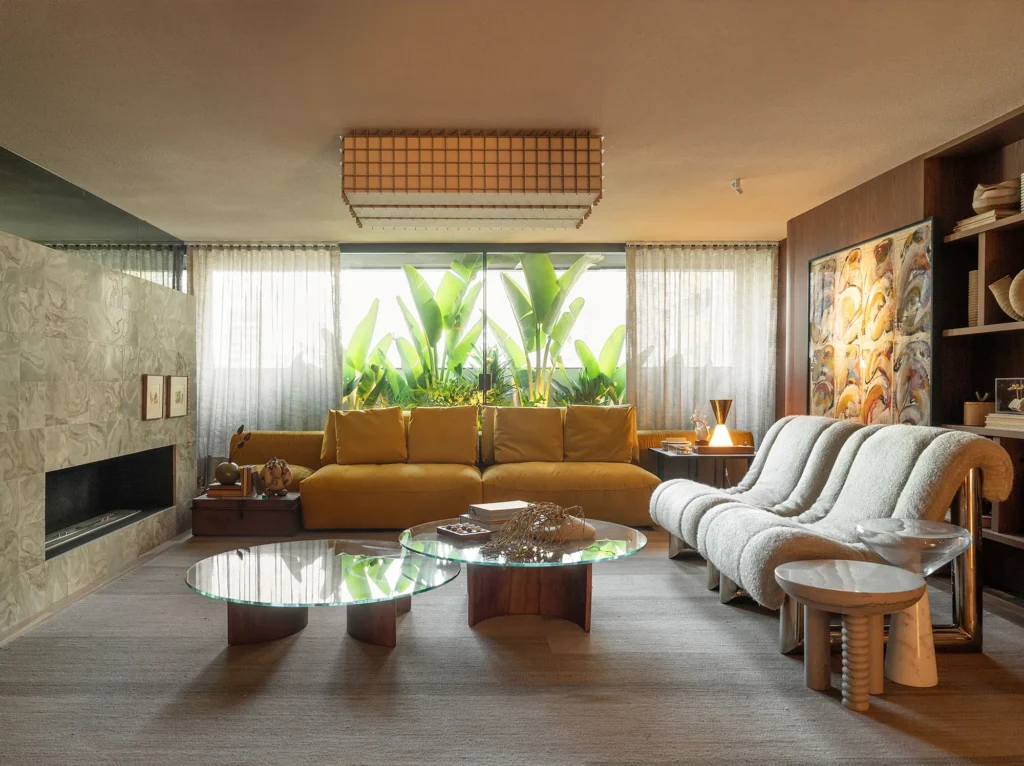
Setting: Jacobus Buzzi Arquitetos – Living L(ar).
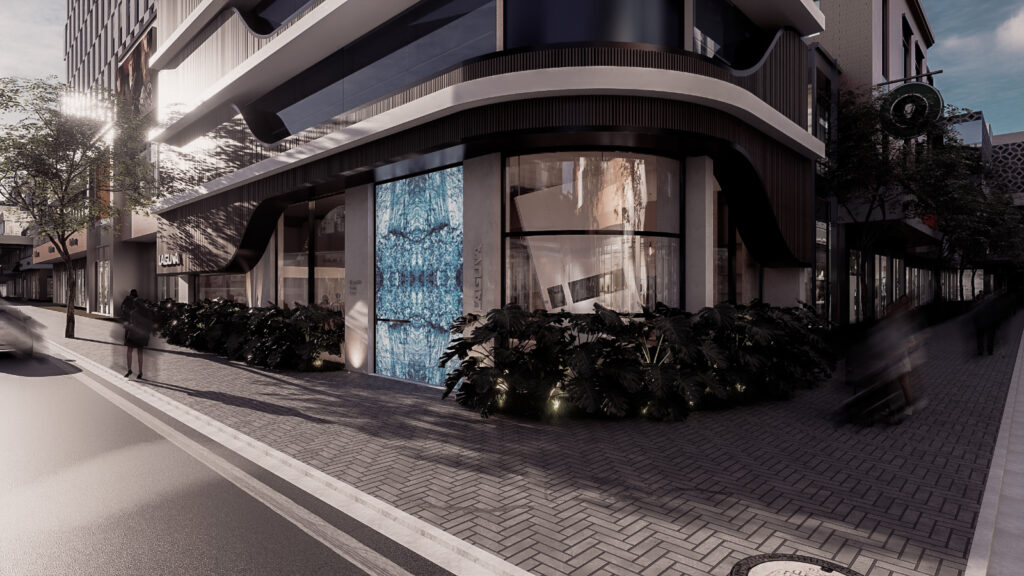
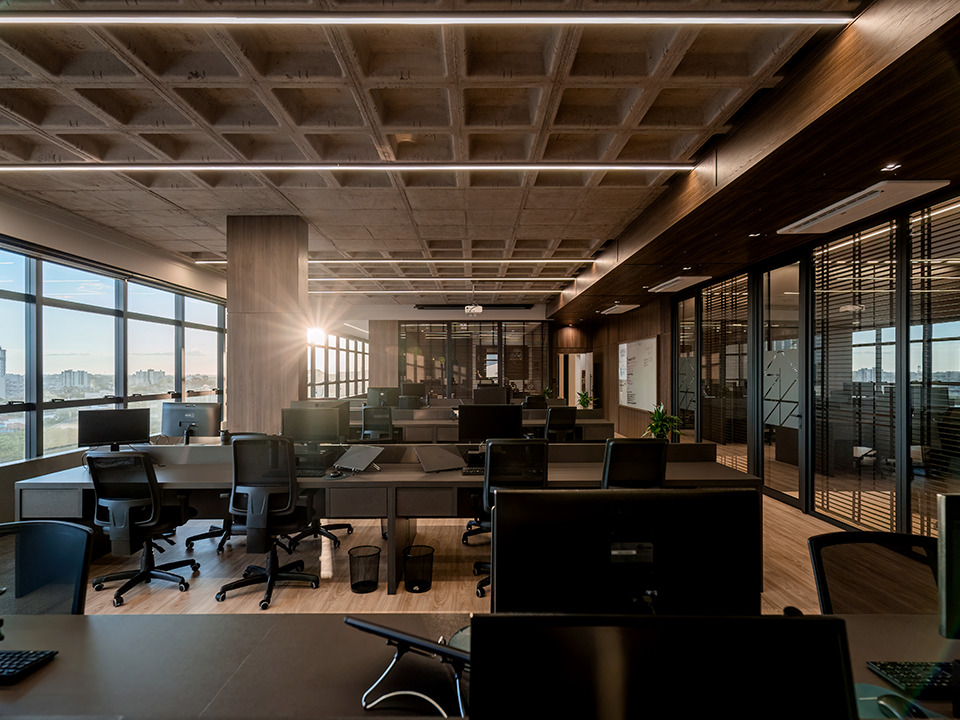
To achieve this balance, lighting and interior colors play crucial roles. Environments that use neutral, earthy tones — such as sand, soft terracotta and grayish blues — create a natural transition between sky, sea and interior space. Furthermore, the way natural light enters and interacts with the space is meticulously controlled. This is where the use of architectural brises and large-span window frames, such as those offered by Laguna, becomes indispensable. These elements allow for uninterrupted contemplation of the landscape while filtering sunlight, creating dynamic visual patterns and protecting residents’ visual comfort.
The Touch That Welcomes
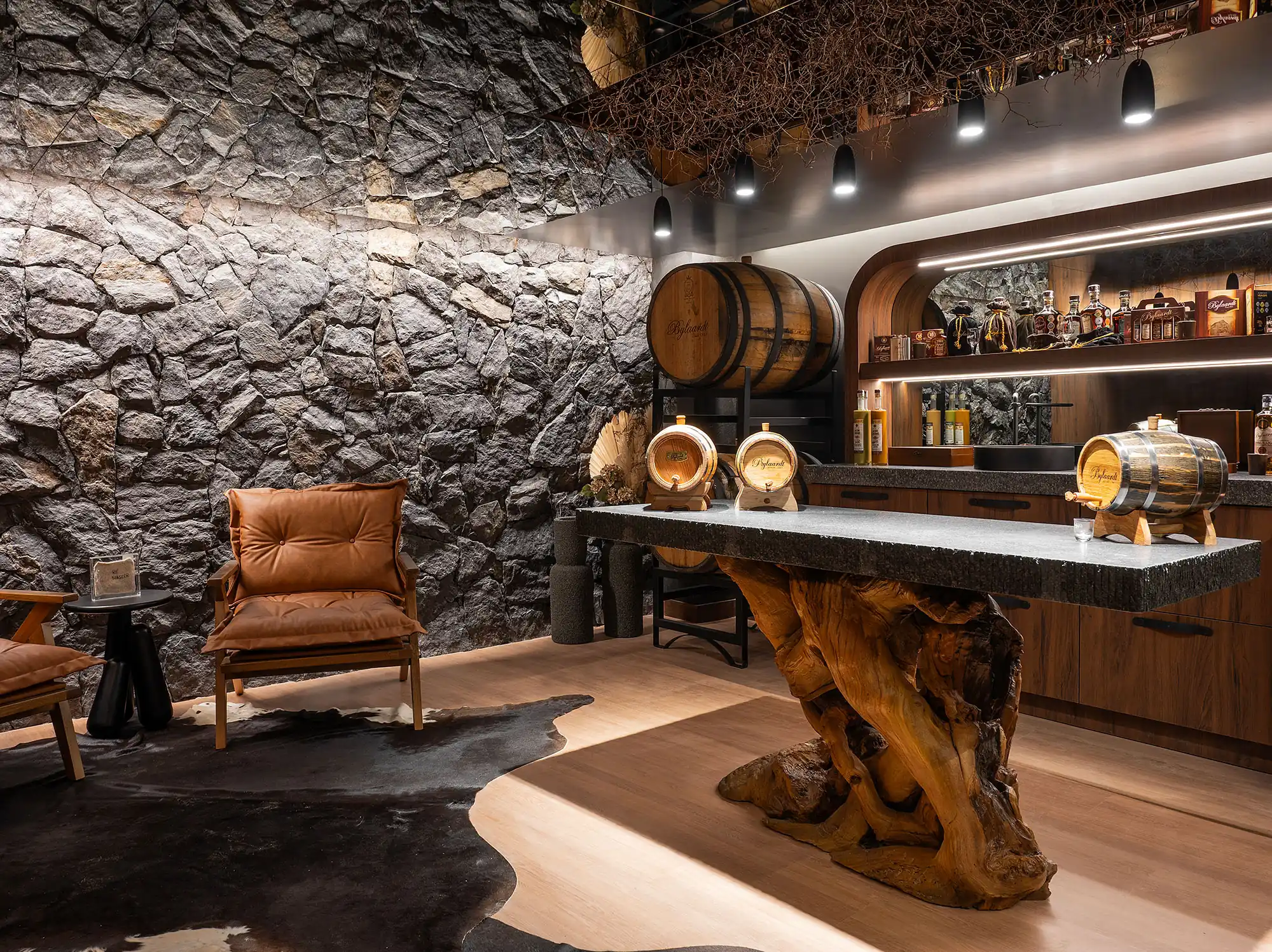
If sight connects us to the outside, touch is what grounds us inside. In tall buildings, where concrete and glass structures predominate, introducing organic textures and natural materials is essential to “warm up” the apartment. Sensory design relies on tactile richness to create environments that invite touch.
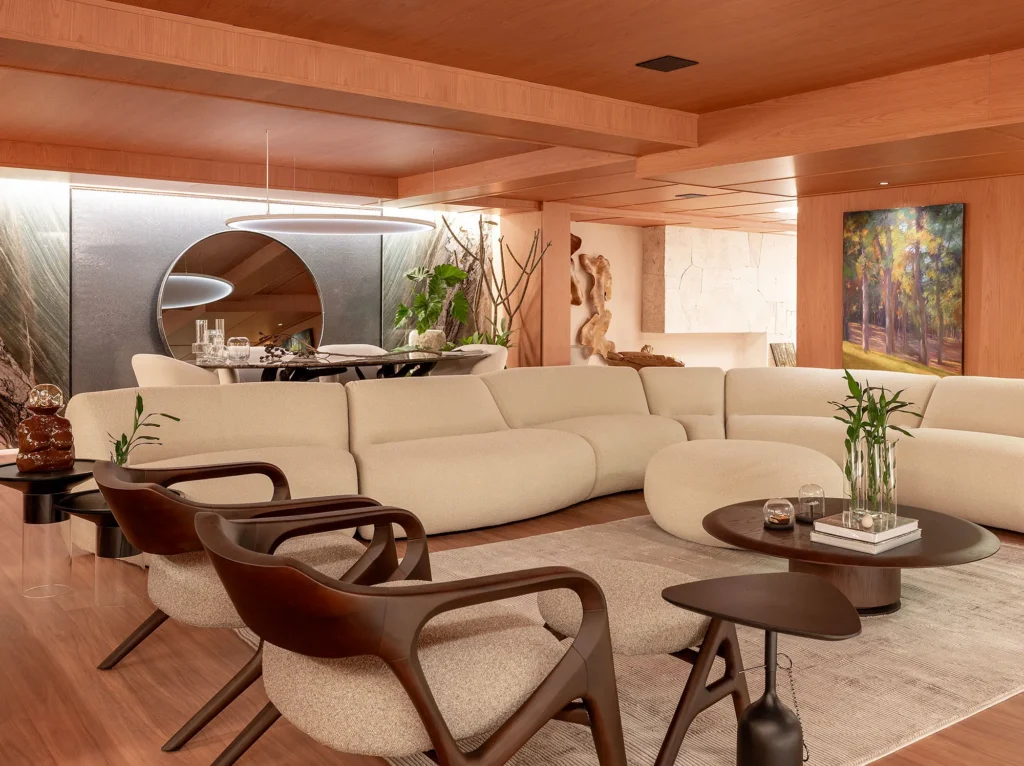
Setting: Jeane Silva Arquitetura de Interiores – Living Raízes do Sentir
At CASACOR Balneário Camboriú, we observed a profusion of rich surfaces: woods with visible grain, unpolished natural stones, leathers, linens and handcrafted weaves. The tactile experience begins right at the entrance. A robust pivoting door, with an impeccable wood finish, is not just an entryway; it is the first physical interaction that communicates the transition from the bustling world outside to the private sanctuary. High-end PVC window frames also contribute to this experience, offering a smooth touch and fluid, quiet handling, reinforcing the sense of quality and care in every detail.
The Refuge of Silence
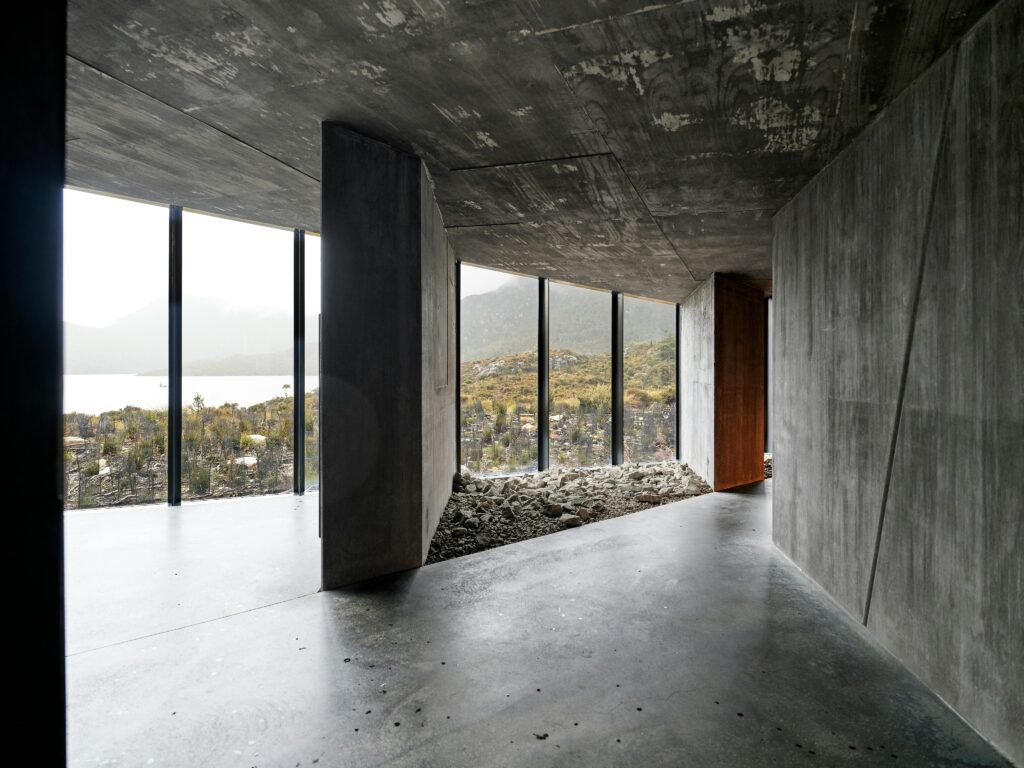
Perhaps the most underestimated yet most vital sense in contemporary vertical architecture is hearing. The sound of a vibrant city like Balneário Camboriú, combined with the force of the winds at high altitudes, can generate a level of unconscious stress. Sensory design seeks to transform the apartment into a true acoustic oasis.
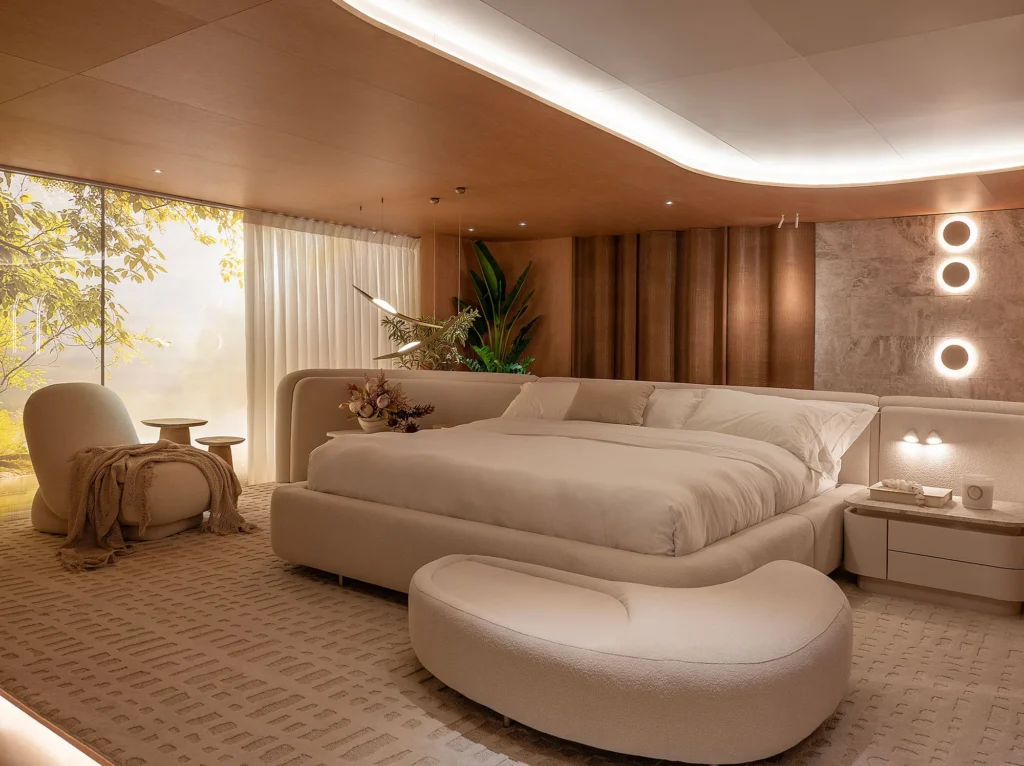
Setting: Nelson Machado – Suíte Refúgio.
Sound comfort is the invisible luxury that defines quality of life. High-end projects invest heavily in excellent acoustic insulation. Window frames with double or triple glazing and perfect sealing are essential to block outside noise, allowing the apartment’s ambient sound — whether absolute silence, soft music or the relaxing sound of an indoor water feature — to be fully appreciated. This acoustic control creates an atmosphere of peace that is fundamental to mental decompression.
Scents and Emotional Memory
Smell has a direct and powerful connection to memory and emotion. Sensory design in luxury apartments uses scents to create an “olfactory signature” for the home. In vertical architecture, where direct natural ventilation often needs to be controlled due to height, air quality and the scenting of spaces gain even greater importance.
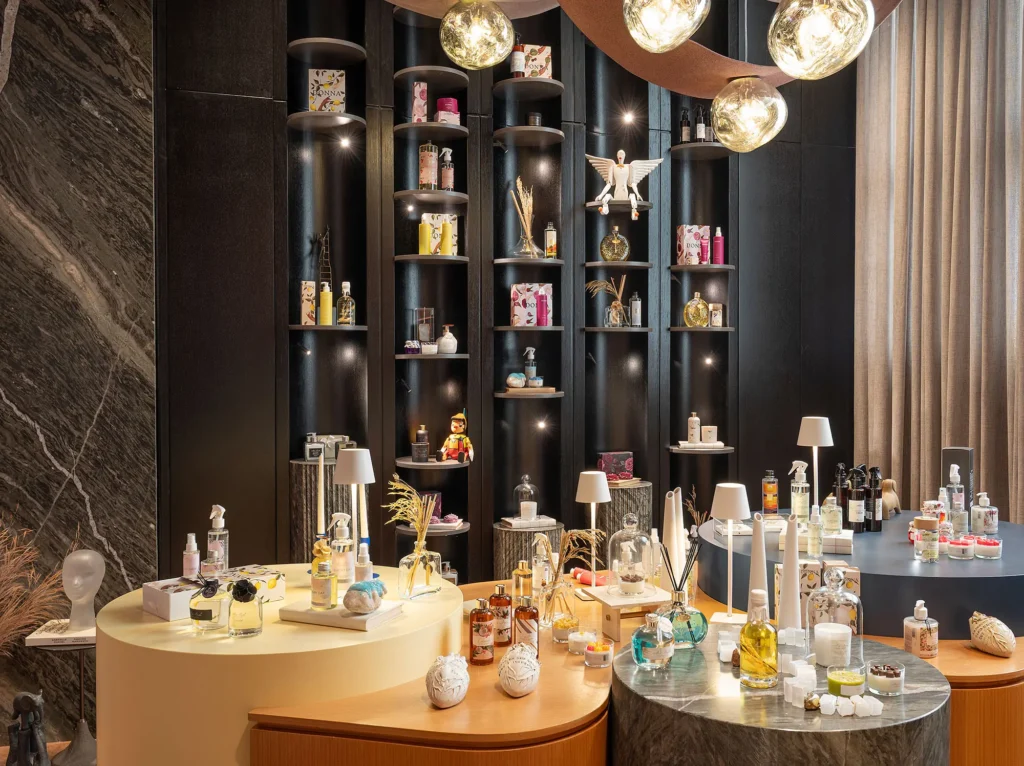
Setting: Studio Karami & Lunelli Arquitetura & BAIA+ – Loja Sinestesia, Formas do Aroma.
Intelligent ventilation systems ensure air renewal, while the introduction of plants, natural woods and subtle diffusers creates layers of scent that relax and welcome. An environment that smells of cedar, lavender or sea breeze instantly lowers anxiety levels and tells the brain that we are safe and at home.
Fully Living Life at Height
CASACOR Balneário Camboriú 2026 shows us that vertical architecture has reached a new level of maturity. Apartments are no longer seen as mere luxury lookout points, but as complex sensory ecosystems designed to nurture body and mind.
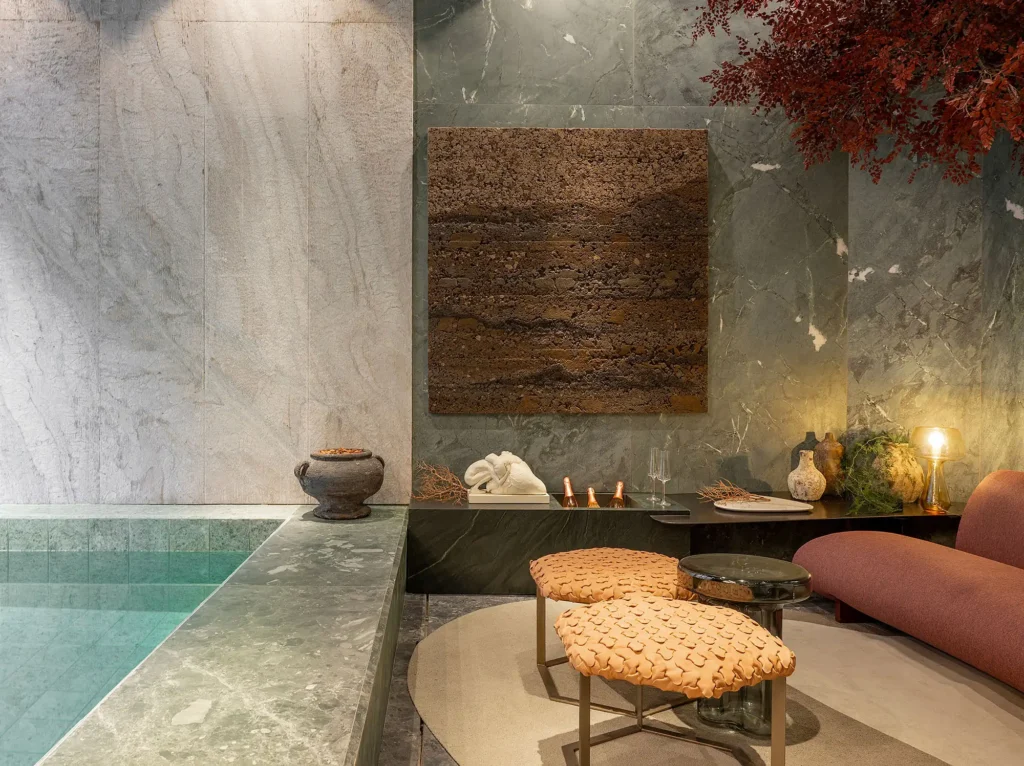
Setting: HUX Arquitetura por Johnnatas Soares – SPA de Altitude.
By integrating controlled panoramic views, organic textures, absolute silence and welcoming scents, sensory design transforms high-rise living into a deeply human experience. To bring this vision to life, architects rely on technological partners who understand the importance of every detail. Solutions such as window frames, brises and doors from Laguna not only perform their structural function with excellence, but also act as the filters through which we experience the outside world and protect our inner world. In the end, true luxury is feeling completely at home, no matter how many meters above the ground you are.