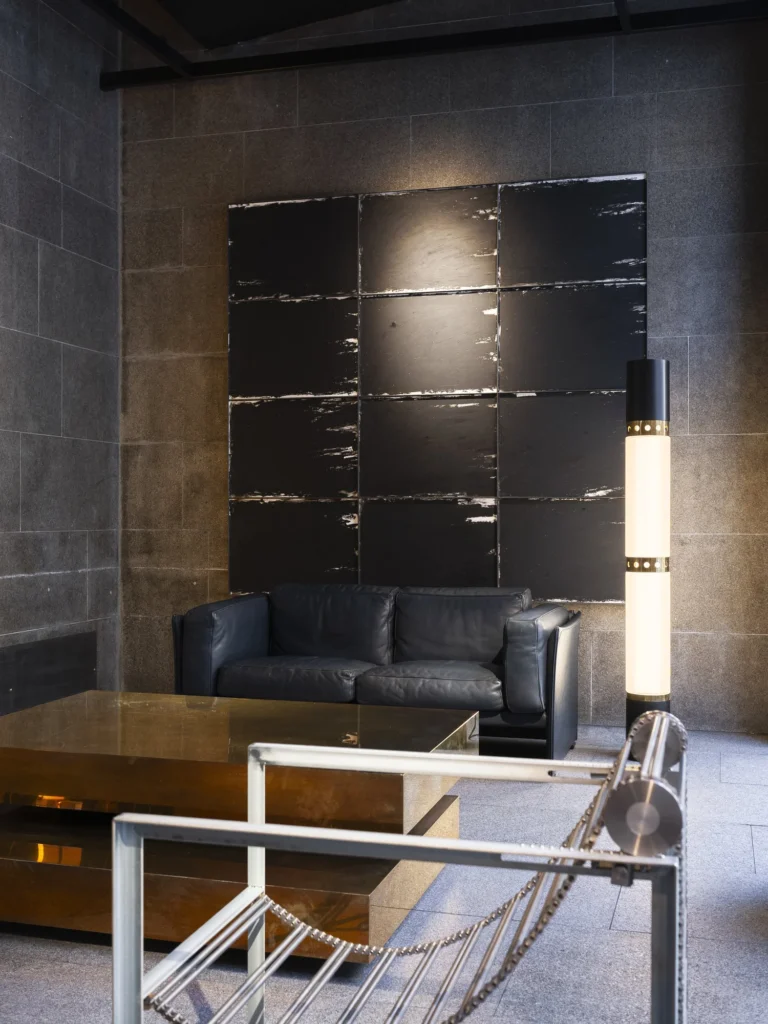
In a scenario where contemporary life increasingly distances us from the natural environment, high-end architecture has found in biophilic design not just an aesthetic trend, but a fundamental necessity. Biophilia — which literally means “love of life” — recognizes that human beings have an innate biological connection with nature. When applied to architecture, this philosophy transforms living into a restorative experience.
Design biofílico
How natural light and landscape influence luxury projects
Biophilic design goes far beyond scattering potted plants around a space. It is a structural approach that uses natural light, ventilation, organic textures, and integration with the landscape to create livable ecosystems that promote physical and mental health. In luxury residential projects, this deep connection with nature has become the true synonym for sophistication and well-being.
Landscape as an Extension of Architecture
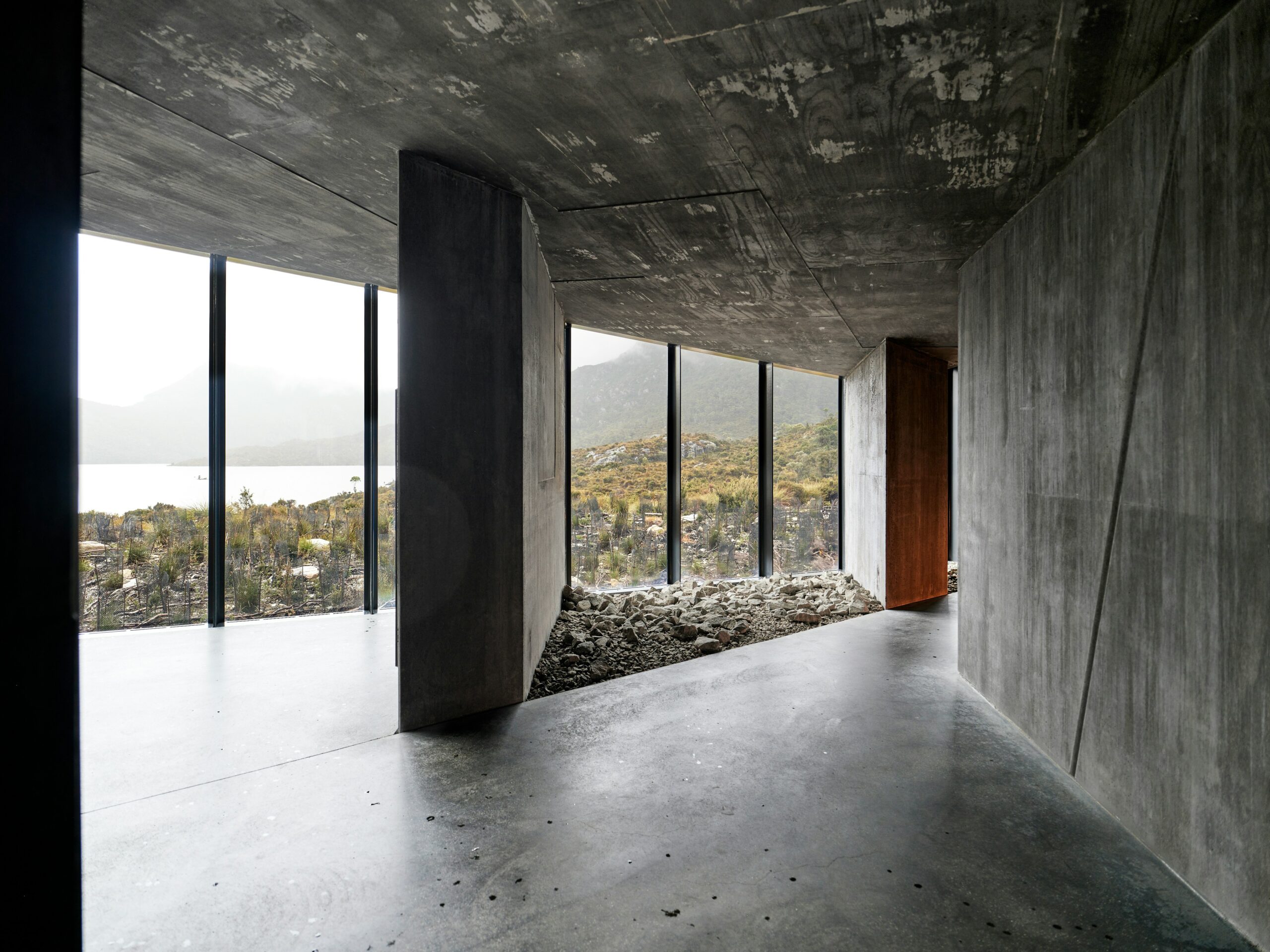
Historically, windows functioned as mere openings in opaque walls, framing the landscape as if it were a static picture. In contemporary biophilic design, the relationship between interior and exterior is fluid. Architecture now considers the surroundings not as a distant backdrop, but as a natural extension of the living area.
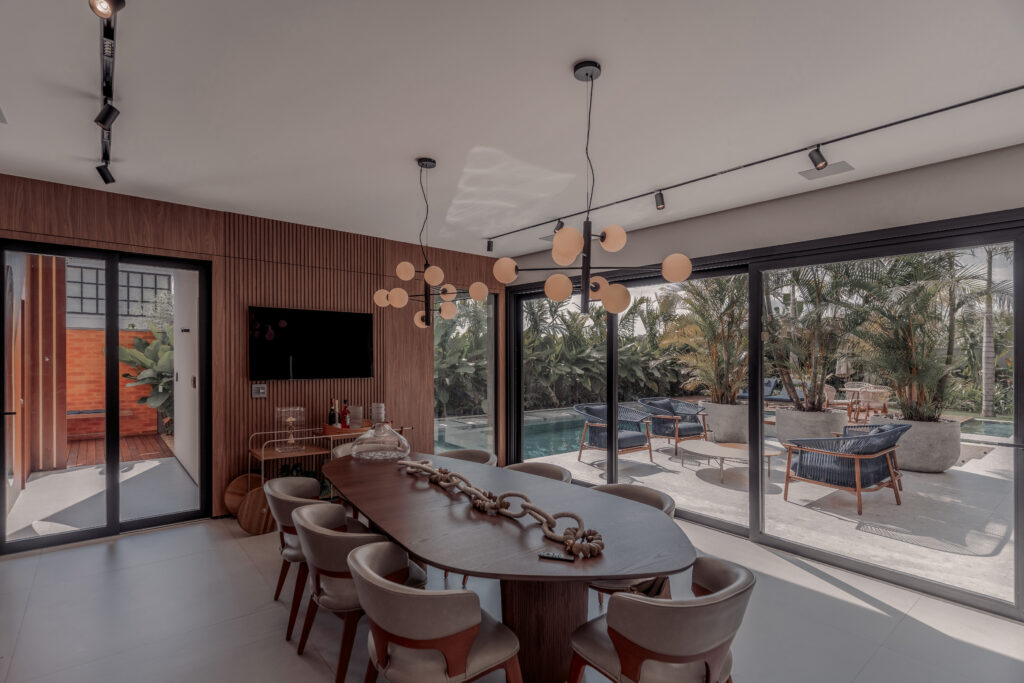
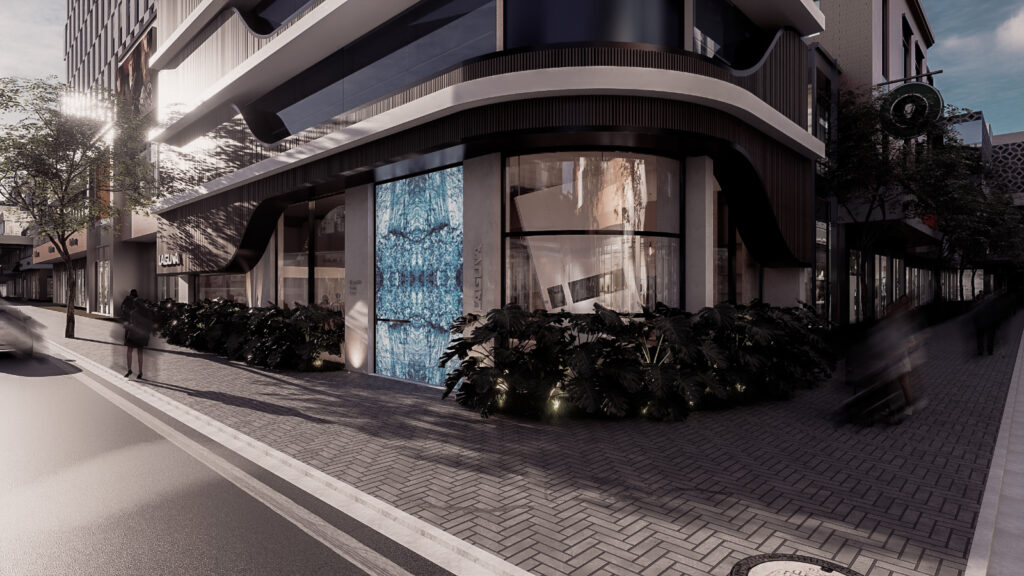
To achieve this level of integration, the choice of closing systems is crucial. Luxury projects favor generous glass panels and minimalist window frames that dissolve visual boundaries. When the architect chooses high-performance PVC window frames, like those developed by Laguna, they ensure that this absolute transparency does not compromise thermal and acoustic comfort. The result is a house that breathes with its surroundings, where the view of the garden, the mountains, or the sea becomes the space’s main decorative element.
The Restorative Power of Natural Light
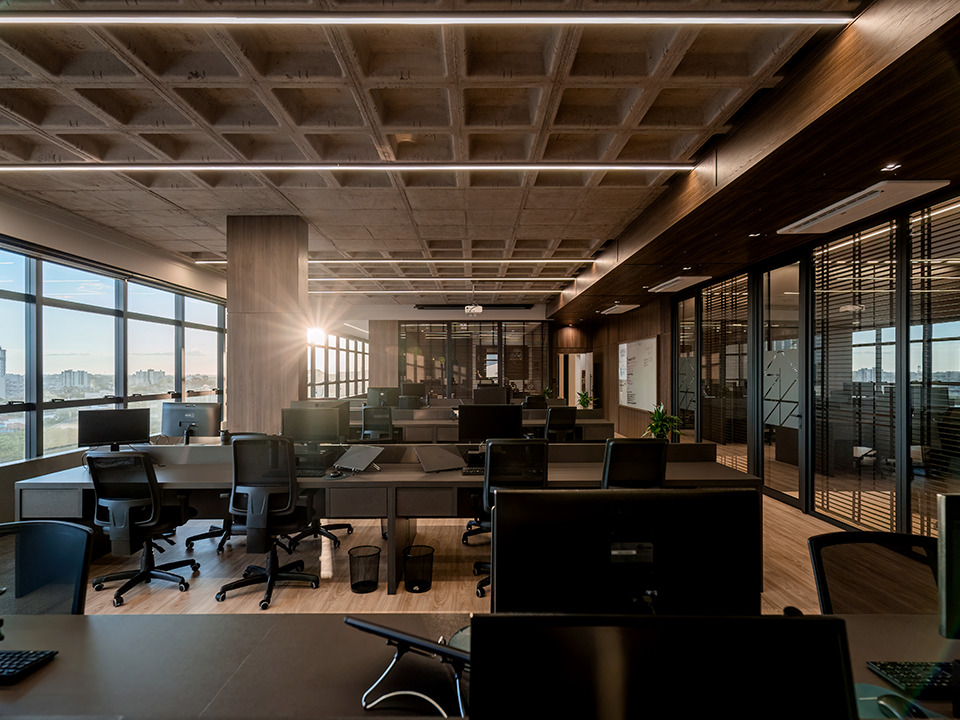
Neuroarchitecture confirms what we instinctively already know: natural light is vital for our well-being. It regulates our circadian rhythm, stimulates the production of serotonin (the happiness hormone), and improves our ability to concentrate. In biophilic design, light does not just illuminate; it sculpts spaces, reveals textures, and dictates the rhythm of the day inside the home.
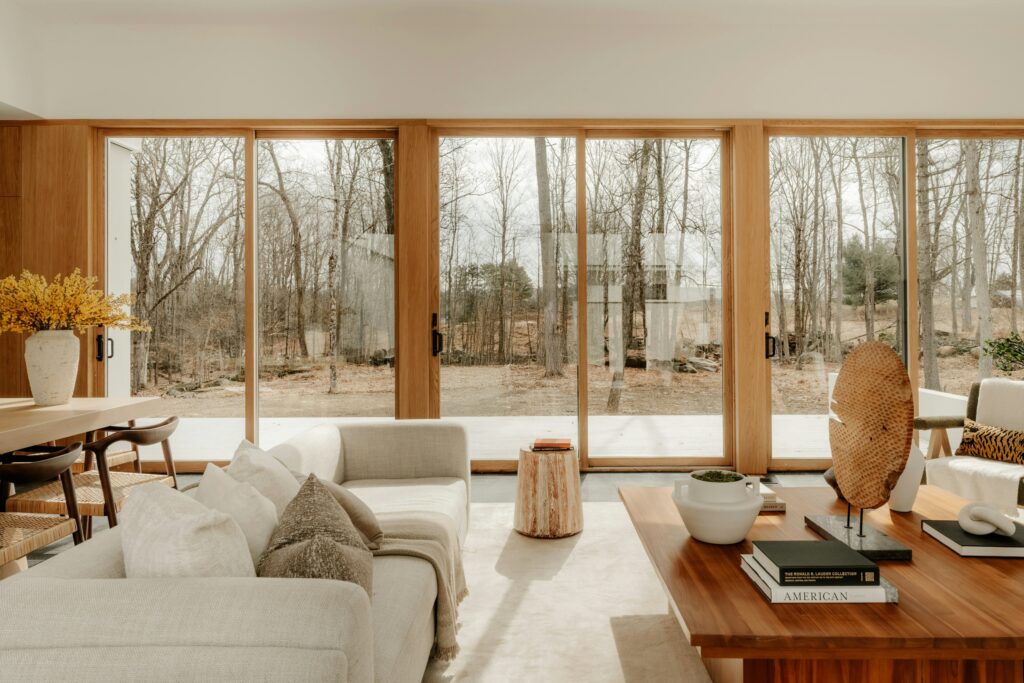
Naturally lit contemporary living room, open to the trees. (Photo: Clay Banks / Unsplash).
In sophisticated residences, the lighting design starts with the sun. Room layouts are designed to maximize morning light in bedrooms and take advantage of the warm evening light in social areas. For this abundance of light to be comfortable, sun control needs to be smart. The use of architectural brises is the perfect solution to filter sunlight without blocking the view or ventilation. Beyond their climate function, brises cast light and shadow patterns that shift throughout the day, bringing an organic visual dynamic to the home’s interior.
Natural Analogies and Tactile Comfort
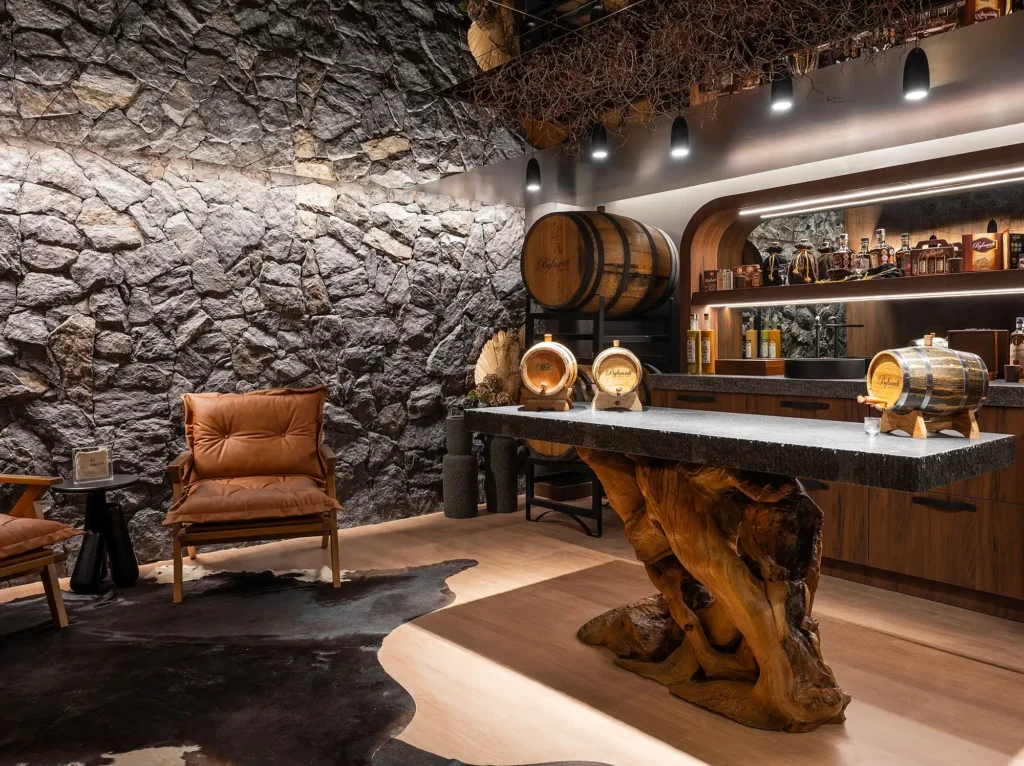
Biophilia also manifests indirectly, through natural analogies. Our brains respond positively to shapes, patterns, and textures reminiscent of nature, even when applied to built elements. That is why the use of authentic materials — such as rough stone, wood with visible grain, leather, and natural fibers — is so highly valued in high-end projects.
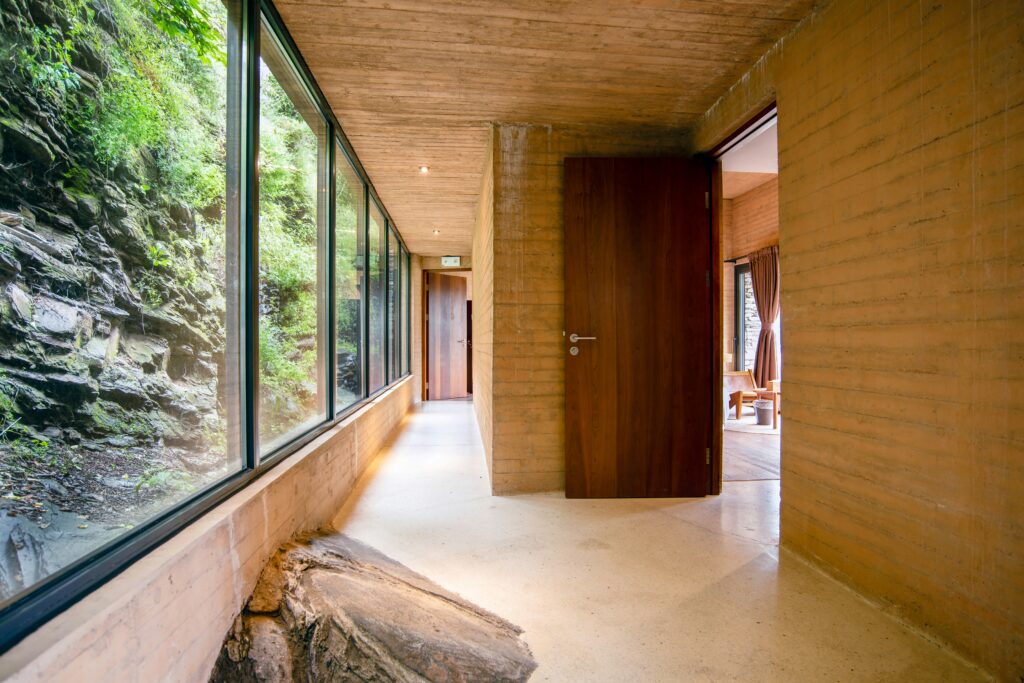
Authentic materials like stone and wood reinforce the sensory connection with nature. (Photo: Lachlan Wang/Unsplash).
The texture of these materials invites touch and creates a sense of warmth that synthetic, overly polished surfaces cannot reproduce. This pursuit of tactile authenticity extends to every component of the project. Solid-wood pivot doors, or those with finishes that faithfully reproduce natural textures, are not merely access points, but elements that anchor the space, providing a sensory and welcoming transition right at the home’s entrance.
Sensory and Acoustic Refuge
A frequently underestimated aspect of biophilic design is acoustic comfort. In nature, we are used to organic sounds and the absence of continuous mechanical noise. In urban environments, excessive noise raises stress levels and harms sleep quality. Creating a true refuge, therefore, requires shielding the home from external noise pollution.
This is where material technology comes in to make the biophilic concept viable. High-end window frames with double or triple glazing ensure superior acoustic insulation. They let residents enjoy the stunning view of a vibrant city, but in absolute silence. This contrast between total visual connection and perfect acoustic isolation is one of the greatest expressions of luxury in contemporary living.
Designing for Well-Being
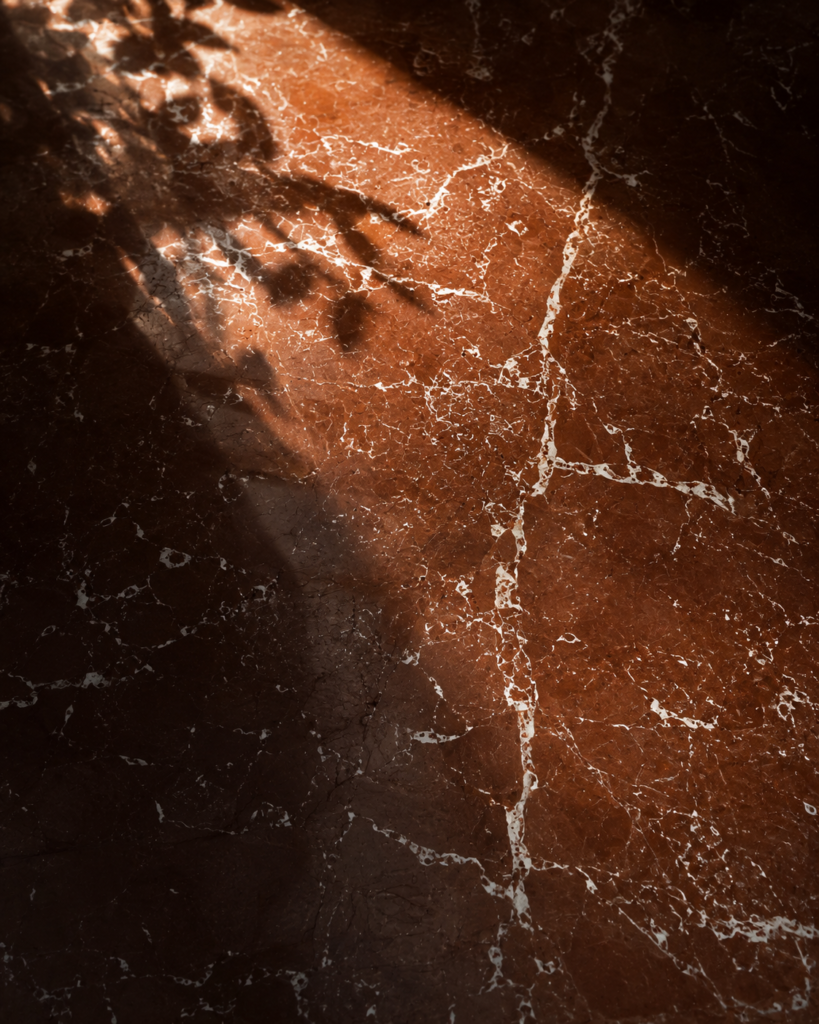
Biophilic design proves that the most sophisticated architecture is the kind that reconnects us with our biological essence. In 2026, luxury is not measured by ostentation, but by the quality of the living experience. It is the cool breeze crossing the room, it is sunlight drawing shapes on the floor, it is the silence that allows deep rest, and it is the view that calms the mind.
By offering architectural solutions that combine wide spans, smart light control with brises, and flawless acoustic insulation, Laguna enables architects to bring the principles of biophilia to life in their most ambitious projects. When natural light, landscape, and technology meet, the home stops being just a shelter and becomes a true sanctuary of well-being.