Every April, Milan becomes the global epicenter of architectural and design innovation. During Milan Design Week, trends that will shape the future of living are unveiled in historic palazzos, immersive installations, and the pavilions of the Salone del Mobile. In the 2026 edition, the message was clear: luxury no longer lies in visual excess, but in tactile depth and the truth of materials.
Milan Design Week 2026
surfaces, textures, and materials that inspire interiors
In an increasingly digitalized and hyperconnected world, high-end design’s response was a radical return to physicality. Surfaces are no longer mere finishes but have become sensory protagonists. For architects, designers, and specifiers seeking to create truly contemporary spaces, understanding this new material language is the first step toward designing environments that not only impress the eye but invite touch.
The Era of Organic, Tactile Design
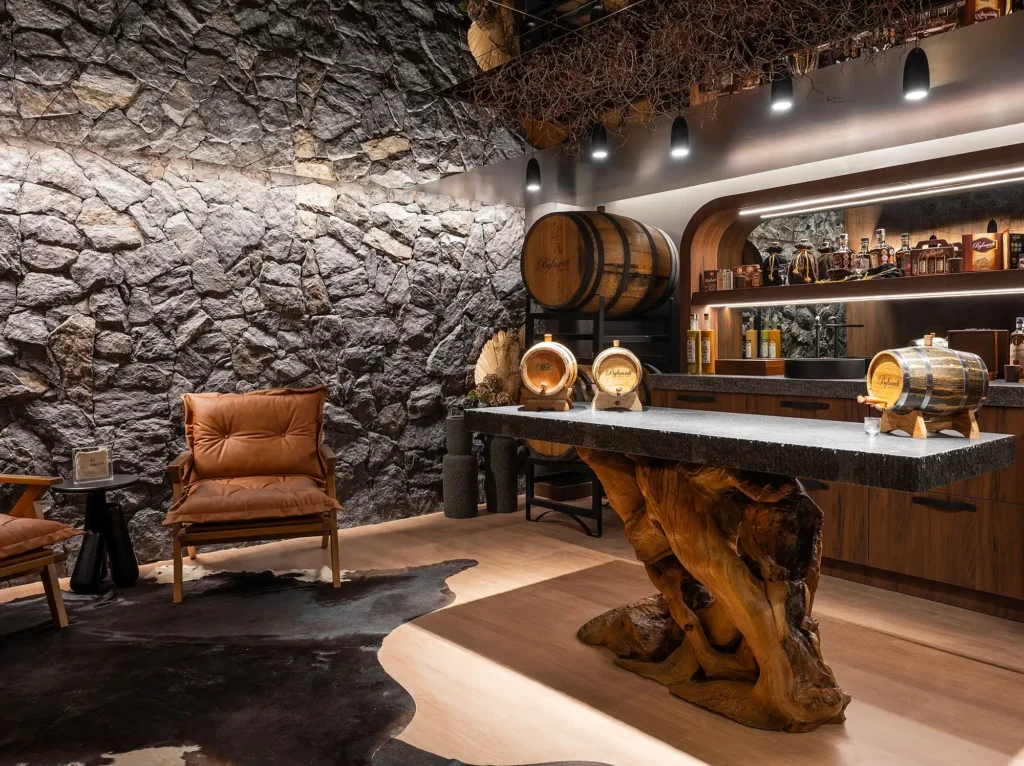
The main revelation of Milan Design Week 2026 was the consolidation of organic design, not just in form, but fundamentally in texture. The rigidity of cold minimalism gave way to a “cozy minimalism,” where the absence of ornamentation is compensated for by the richness of natural materials.
“The Era of Organic, Tactile Design” — rough stones, grained woods, handcrafted ceramics, raw fabrics (Credit: Iris Ceramica Group)
Rough stones, woods with visible grain, handcrafted ceramics, and fabrics like coarse linen and bouclé dominated the exhibitions. The pursuit of perfectly smooth surfaces gave way to an appreciation of natural imperfections. This aesthetic of imperfection — or contemporary wabi-sabi — brings a sense of permanence and authenticity to spaces. When we apply this concept to residential architecture, solid-wood doors with finishes that preserve the tree’s original texture, for example, become grounding elements, connecting residents to nature right at the home’s entrance.
The Return of Faded Splendor
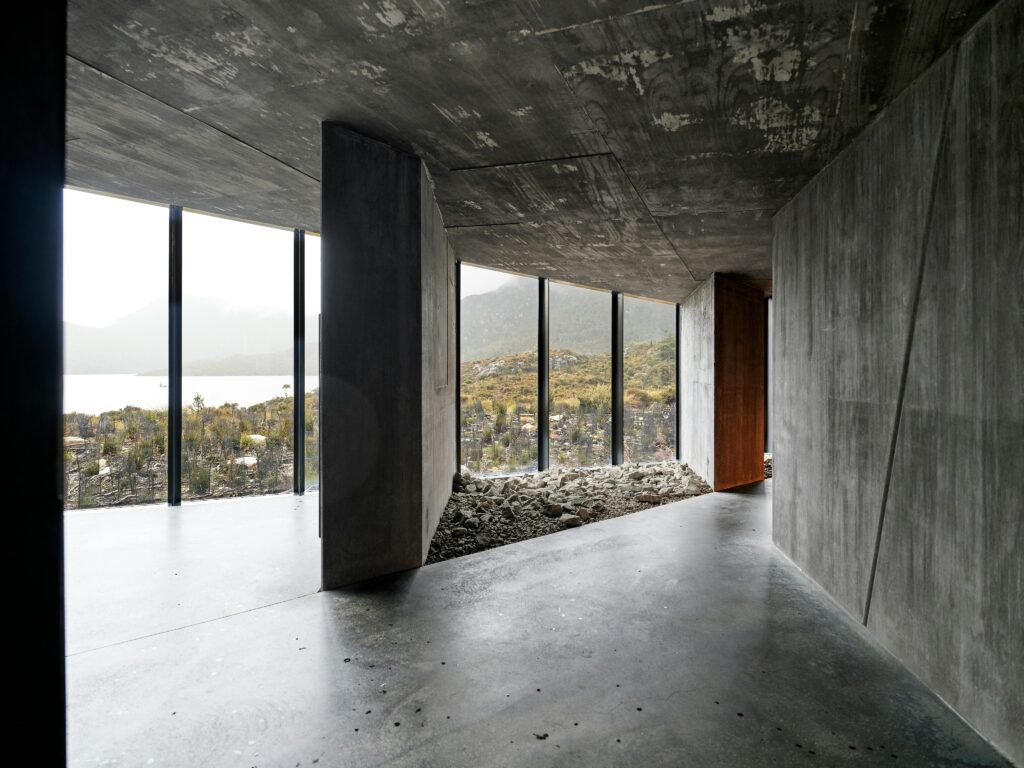
Another striking movement observed at the Milan installations was what curators called “faded splendor.” It is an approach that embraces the patina of time and asymmetry, avoiding spaces that look untouched or fresh off a catalog page. 2026’s luxury lies in the narrative and memory that materials carry.
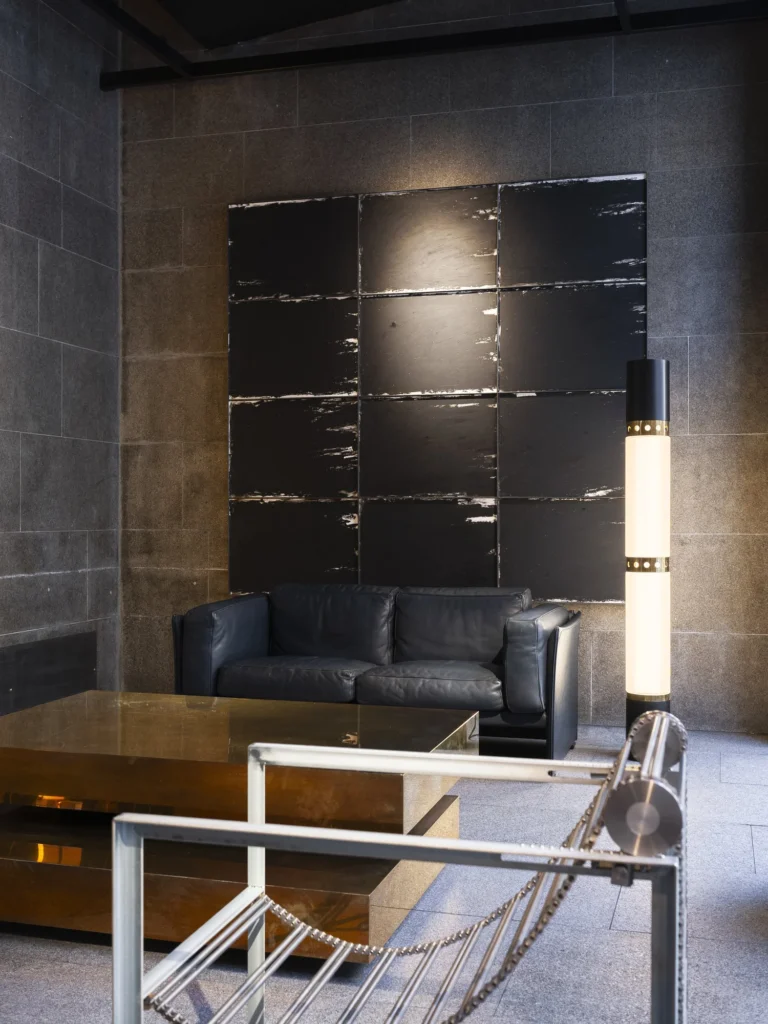
“The Return of Faded Splendor” — patina of time, oxidized metals, asymmetry. (Photo: Andrea Ferrari, Dimoregallery Milan Design Week 2026).
Oxidized metals, aged leathers, and reclaimed woods or those treated to simulate natural wear were widely used. This trend pairs perfectly with projects seeking to create urban retreats. When specifying architectural elements, choosing brises with wood-toned finishes that play with light and shadow, creating ever-changing patterns throughout the day, is a smart way to bring this living, dynamic aesthetic to facades, giving them a soul of their own.
Where Craftsmanship Meets Technology
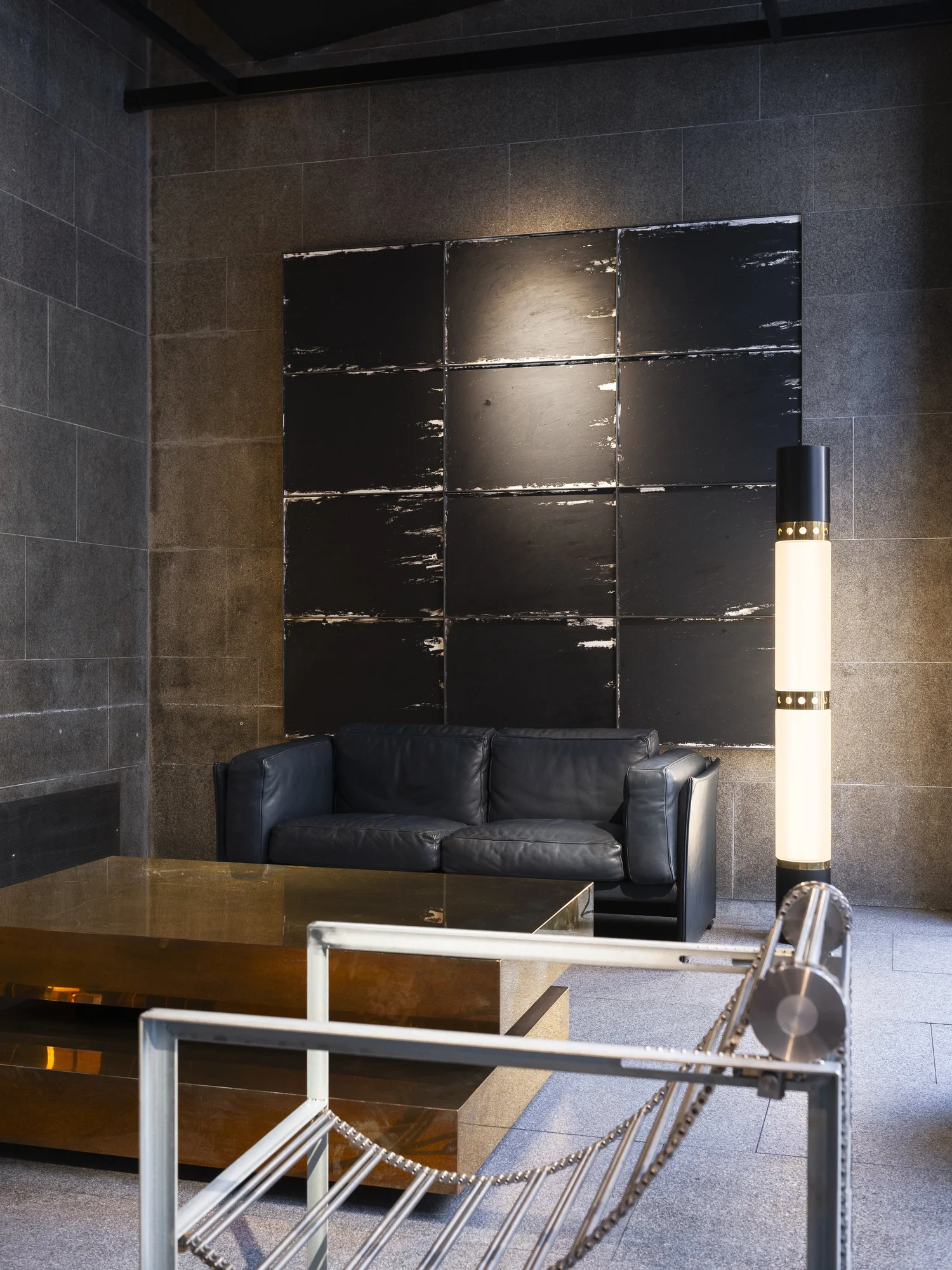
While there is a strong appeal for the natural and handmade on one hand, Milan Design Week 2026 proved that technology is this aesthetic’s greatest ally on the other. “High-tech craftsmanship” was on display in surfaces that look hand-sculpted but offer the durability and performance of cutting-edge materials.
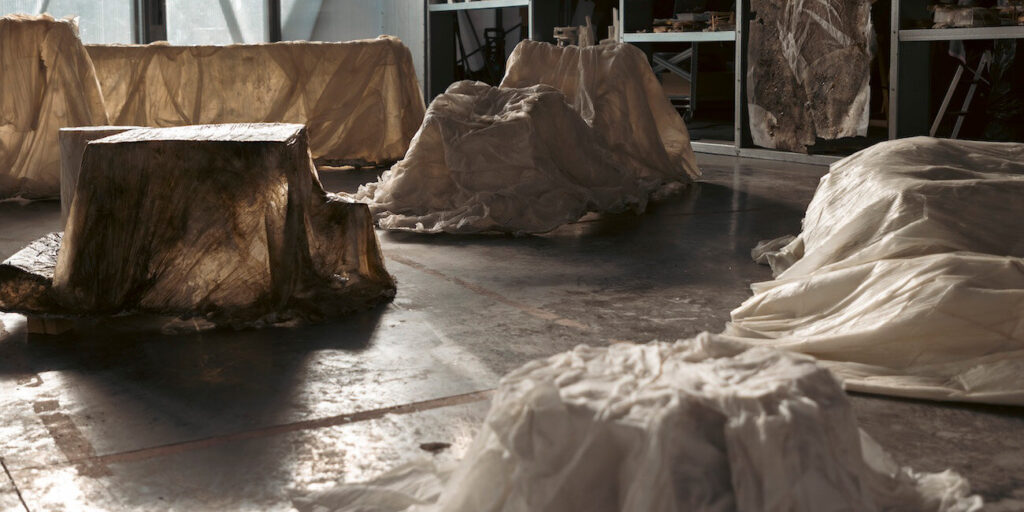
“Where Craftsmanship Meets Technology” — high-tech craftsmanship, hand-sculpted textures. (Credit: Issey Miyake and Ensamble Studio).
This is an intersection where contemporary architectural solutions shine. Laguna’s high-performance PVC window frames, for example, perfectly illustrate this symbiosis. They can flawlessly mimic the texture, visual warmth, and grain of natural wood, meeting 2026’s aesthetic demand while delivering superior thermal and acoustic insulation, plus unwavering resistance to the elements. It is the ideal meeting point between tactile desire and functional need.
Visual Continuity: Endless Surfaces
The 2026 edition also declared the end of spatial fragmentation. Acclaimed installations in Milan featured environments where floors, walls, and ceilings blended into a single continuous surface, creating a cocoon-like atmosphere. Using the same material or color palette across large expanses eliminates visual noise and promotes a deep sense of calm.
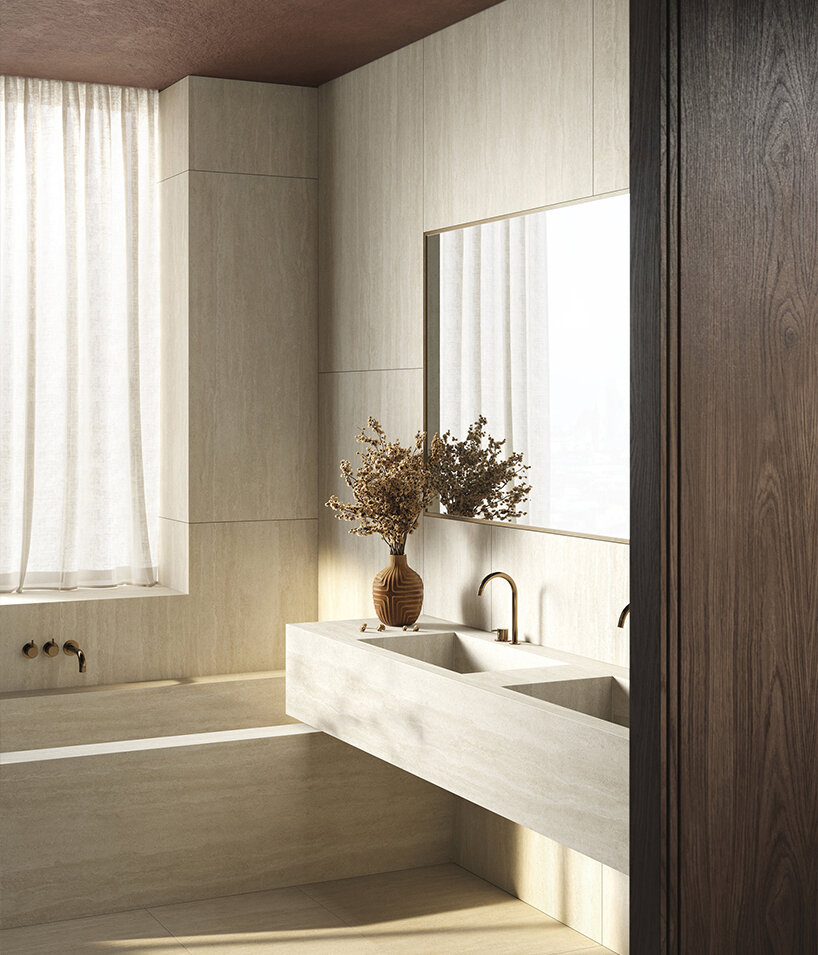
“Visual Continuity: Endless Surfaces” — floors/walls/ceilings blended into one continuous surface. (Credit: Iris Ceramica Group).
To translate this continuity into residential architecture, flush doors and large-format sliding systems are essential tools. Doors that camouflage into wood panels, floor to ceiling, with no visible frames, ensure that surface fluidity is not interrupted. Likewise, generous spans protected by minimalist window frames allow the texture of the outdoor garden to blend with the interior materials, creating a spatial continuity that has become the hallmark of the new luxury.
The Palette of Earth and Light
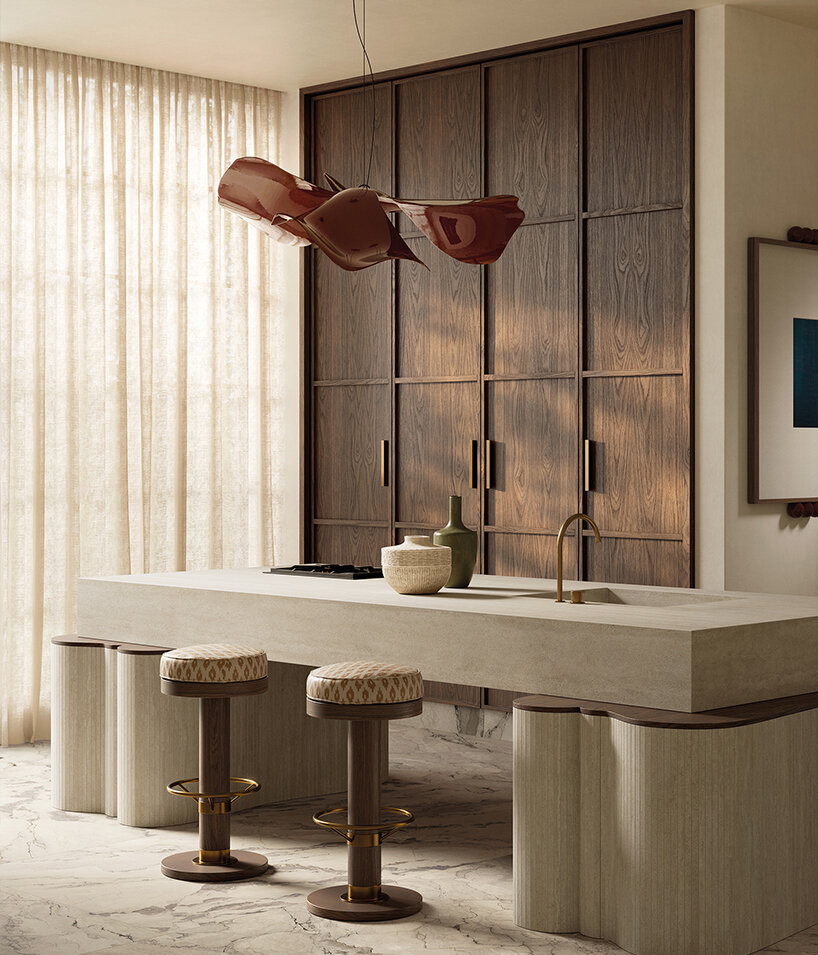
Finally, the color palette surrounding these new textures in Milan moved away from cool tones. Deep earth tones, sophisticated greens (like sage and olive), terracotta, caramel, and warm neutral variations (like sand and travertine) were the predominant choices. These colors do not just warm up spaces — they also highlight the tactile qualities of the materials.
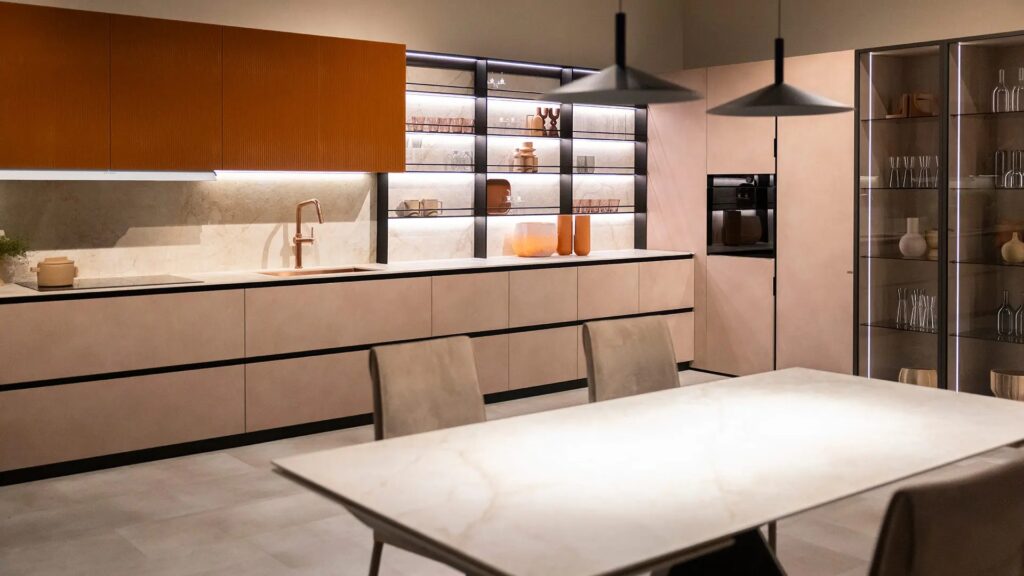
“The Palette of Earth and Light” — earth tones, sage, terracotta, travertine. (Scavolini, EuroCucina 2026).
In this context, natural lighting becomes even more important. It is responsible for revealing the relief, weave, and nuances of organic surfaces. Designing with large openings, controlling sun exposure through smart brises, allows natural light to act as decoration’s finishing touch, sculpting the space’s textures throughout the day.
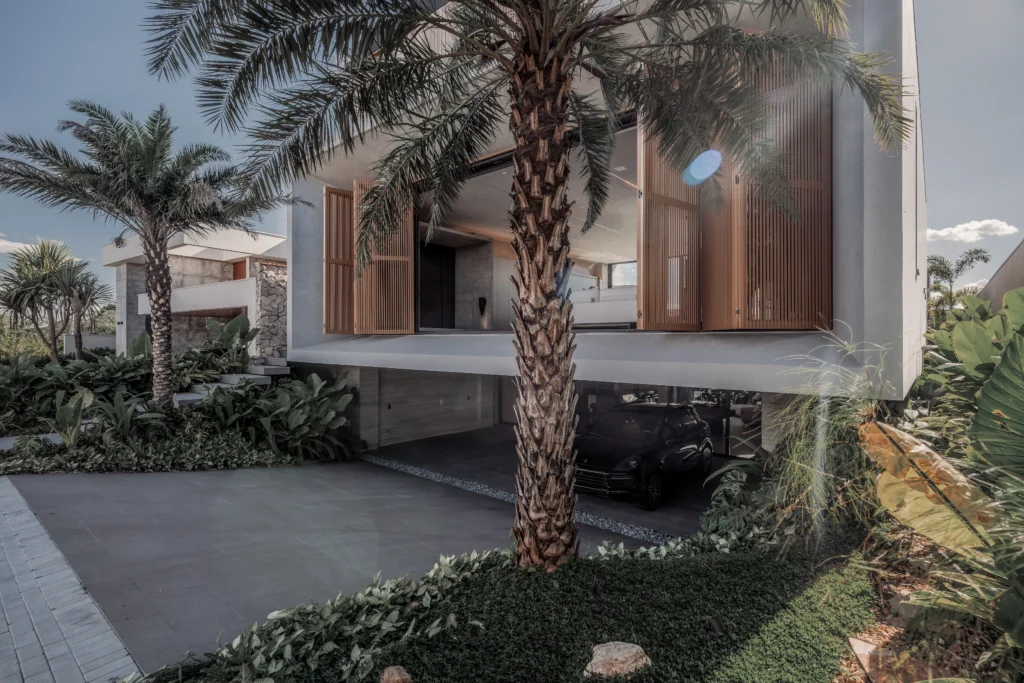
Milan Design Week 2026 reminded us that interior design and architecture must, above all, serve the senses. By incorporating tactile surfaces, authentic materials, and technological solutions that respect natural aesthetics, Laguna gives professionals the tools they need to turn these global trends into exceptional residential projects, where well-being and sophistication are felt in every detail.