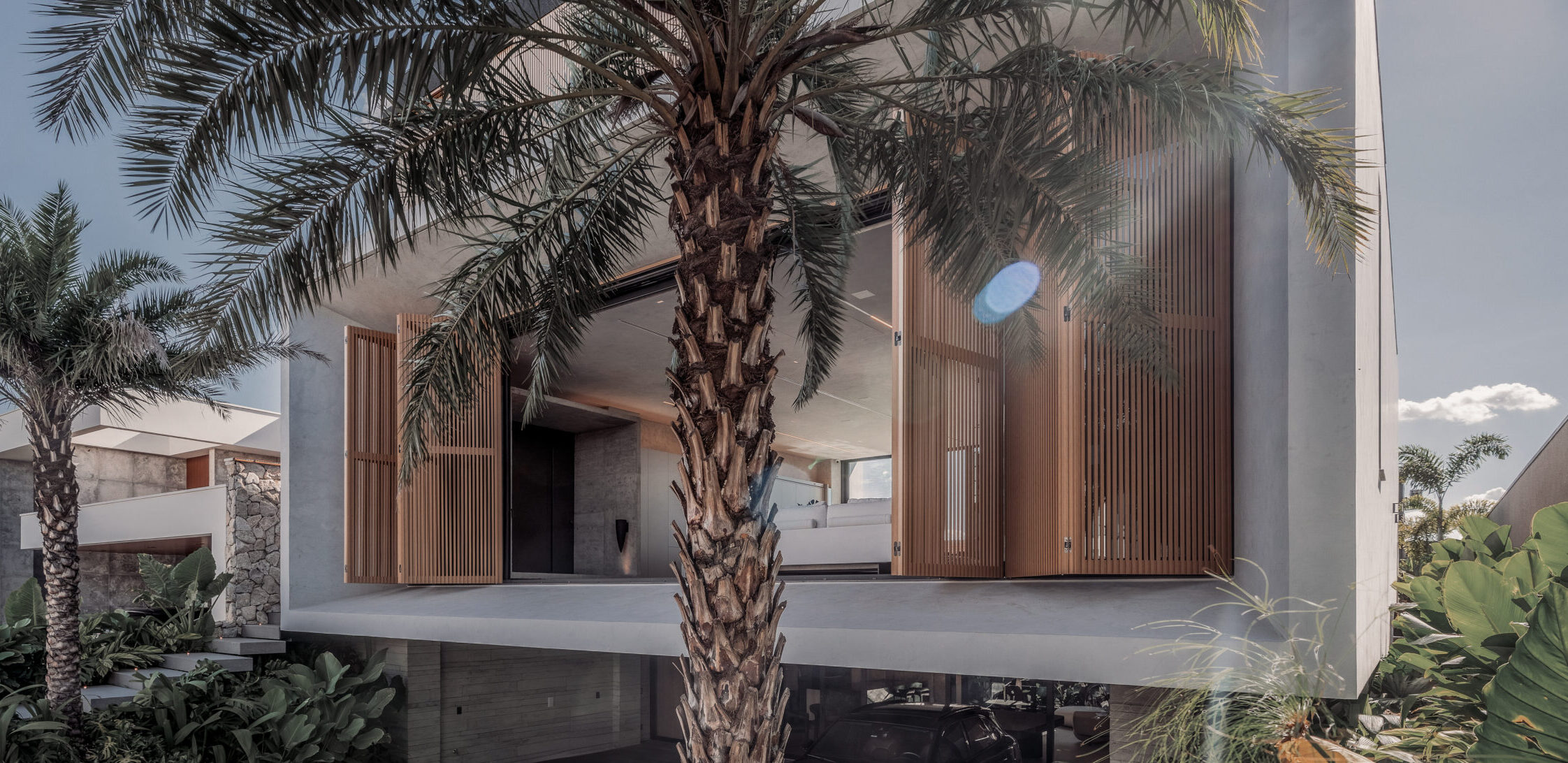
In contemporary architecture, a home’s facade has stopped being just a physical boundary between public and private space and has become a dynamic, responsive interface. In this context, brise-soleils — or simply brises — take on an absolutely central role. More than efficient sun shades, they have established themselves as sculptural elements that bring rhythm, identity, and sophistication to luxury projects.
Brises in Architecture
Where shadow, privacy, and aesthetics meet
The evolution of contemporary living, driven by trends like biophilic design and the constant pursuit of sensory comfort, has transformed the way architects approach natural light. Today’s challenge is not to block the sun, but to filter it, sculpt it, and direct it intelligently. It is exactly at this intersection between shadow control, privacy assurance, and aesthetic excellence that brises reveal their true potential.
The Dance of Light and Shadow
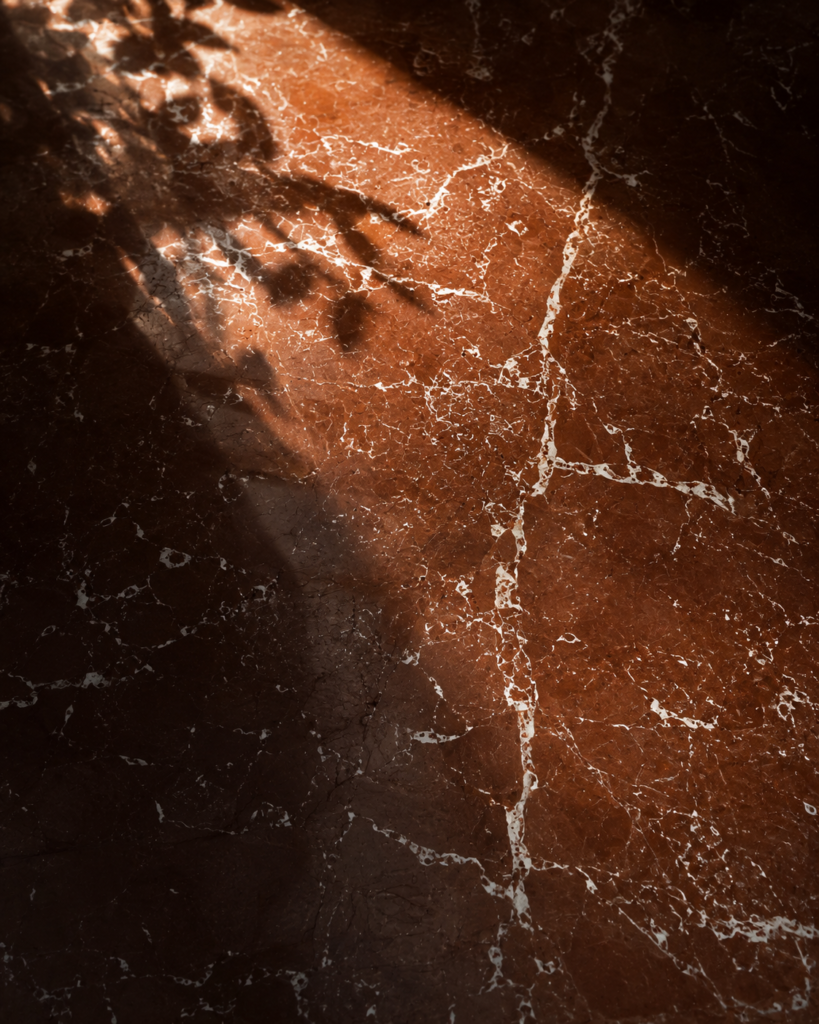
The fascination with brises in luxury architecture lies in their ability to create ever-changing atmospheres. Throughout the day, as the sun moves, the slats cast different geometric patterns onto interior spaces. This “dance of light and shadow” brings movement and life to spaces, turning static surfaces into canvases where nature paints its nuances.
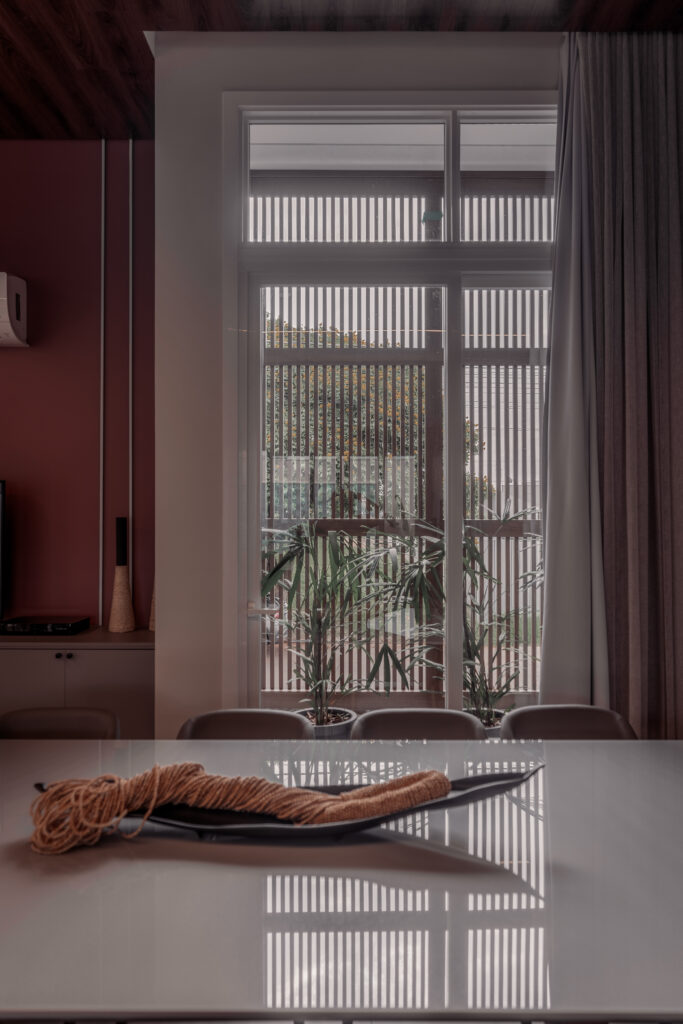
The dance of light and shadow: natural filtering transforms the perception of reflections in the interior space. (Photo: Laguna Archive)
In sophisticated residential projects, this dynamic is used to create different sensory experiences. In a master suite, for example, a well-placed brise can filter morning light, allowing for a gentle, natural wake-up. In a west-facing living room, the element acts as an elegant shield against the setting sun, maintaining thermal comfort without needing to fully close off the space with heavy curtains.
Privacy with Lightness
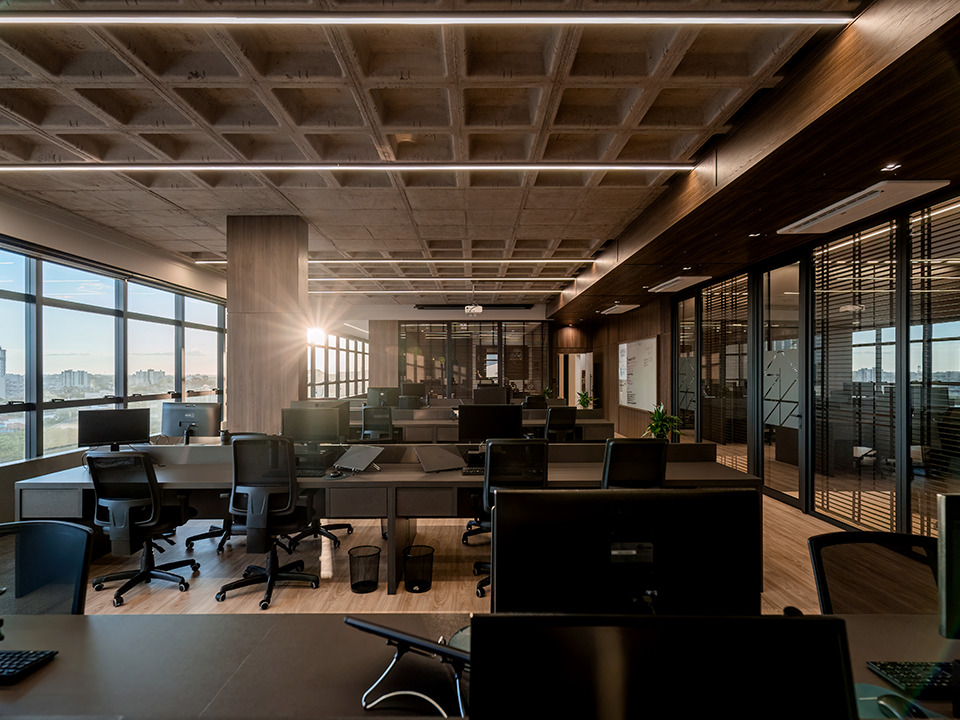
One of the biggest challenges in contemporary projects — especially those located in gated communities or dense urban areas — is ensuring residents’ privacy without sacrificing the view or natural light. Architecture’s answer to this dilemma is the visual permeability offered by brises.
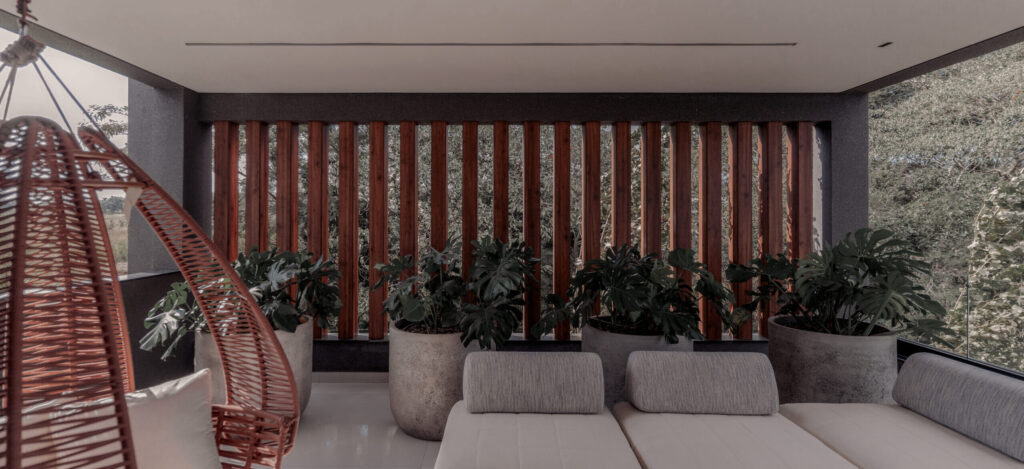
Privacy with lightness: brises that protect the intimacy of a space while keeping it visually open. (Photo: Laguna Archive)
Depending on the angle, spacing, and type of slat (horizontal or vertical), it is possible to create an effective visual barrier for those outside, while maintaining transparency for those inside. Movable or articulated brise models take this flexibility even further, letting users adjust their level of exposure as needed. Laguna understands this demand for control and discretion, offering brise solutions that act as true filters of intimacy, protecting the family refuge with extreme elegance.
The Aesthetics of Rhythm and Texture
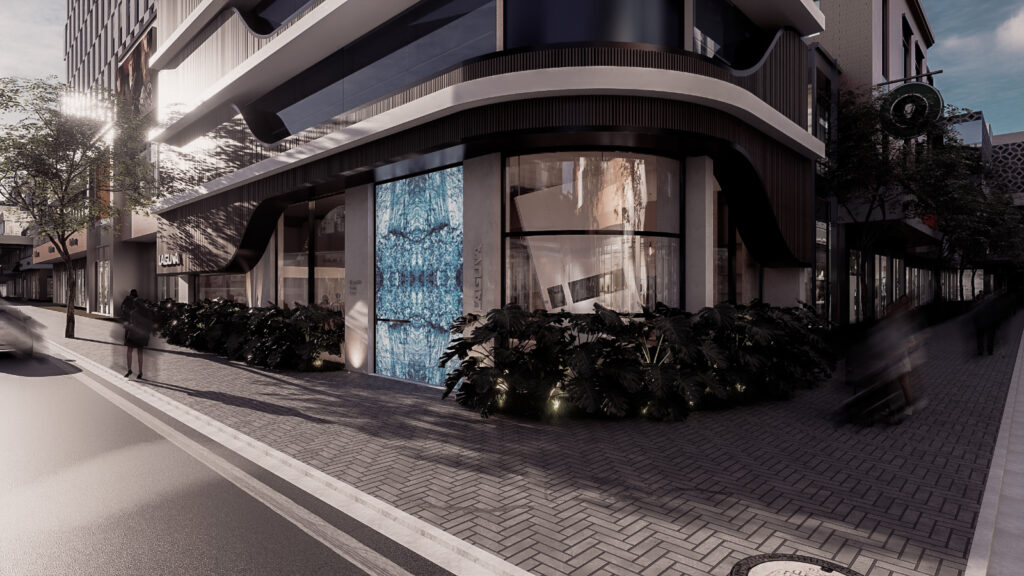
Beyond their climate function, brises are powerful tools for aesthetic composition. They add volume, depth, and texture to facades, breaking up the monotony of flat surfaces. The repetition of the slats creates a striking visual rhythm, an architectural signature that sets authorial projects apart from conventional construction.
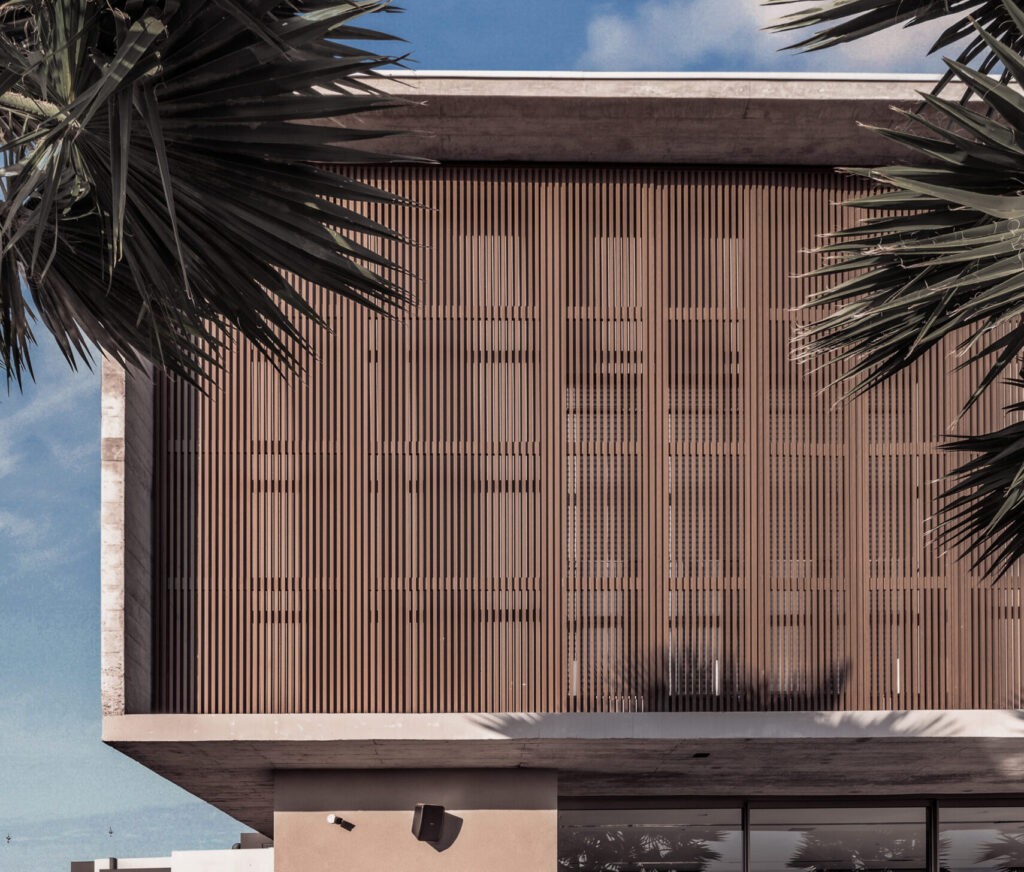
Rhythm and texture: the vertical repetition of the slats creates a true sculptural composition in the space. (Photo: Laguna Archive)
The choice of material and finish is decisive for the final result. Brises with a wood-toned finish, for example, visually warm up minimalist facades, pairing perfectly with natural stone and exposed concrete. Metallic or neutral-toned models, on the other hand, reinforce a more industrial, cosmopolitan language. Regardless of style, millimeter-precise installation and profile quality are non-negotiable. High-performance solutions, like those developed by Laguna, ensure that the aesthetic conceived by the architect stays unchanged over the years, resisting the elements with superior durability.
Integration with Window Frames and Doors
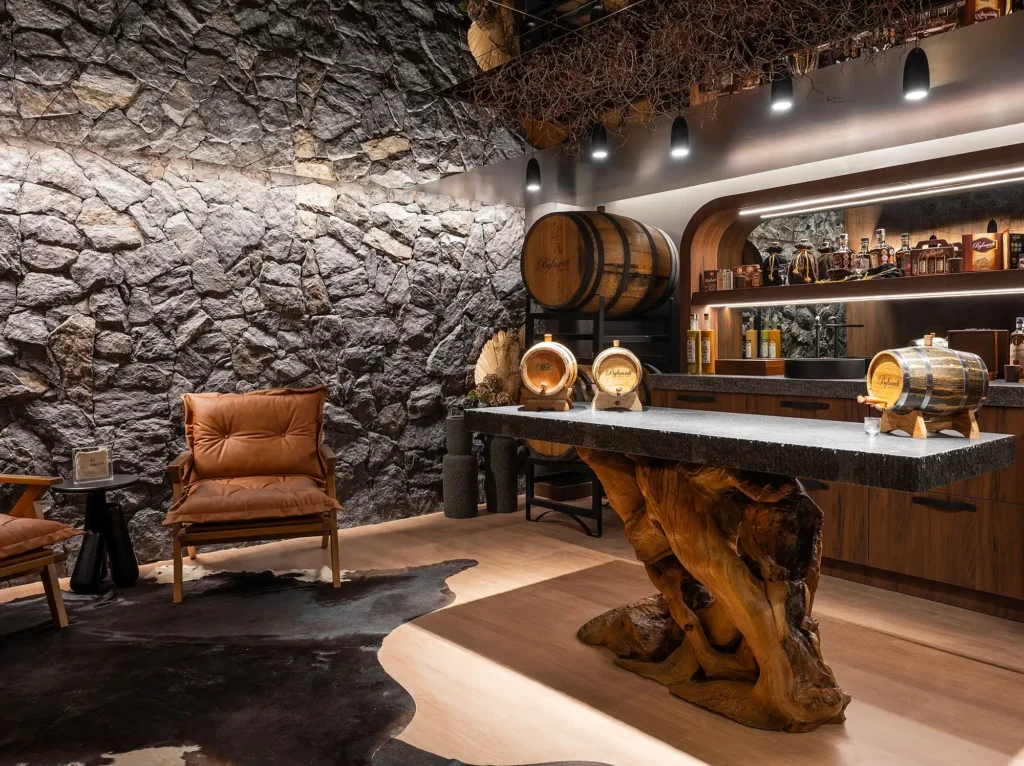
Excellence in an architectural project is revealed in the harmony between its different components. The use of brises reaches its peak when designed together with a home’s window frames and doors. A facade that integrates large glass panels protected by movable brises creates a fluid, sophisticated transition between indoors and outdoors.
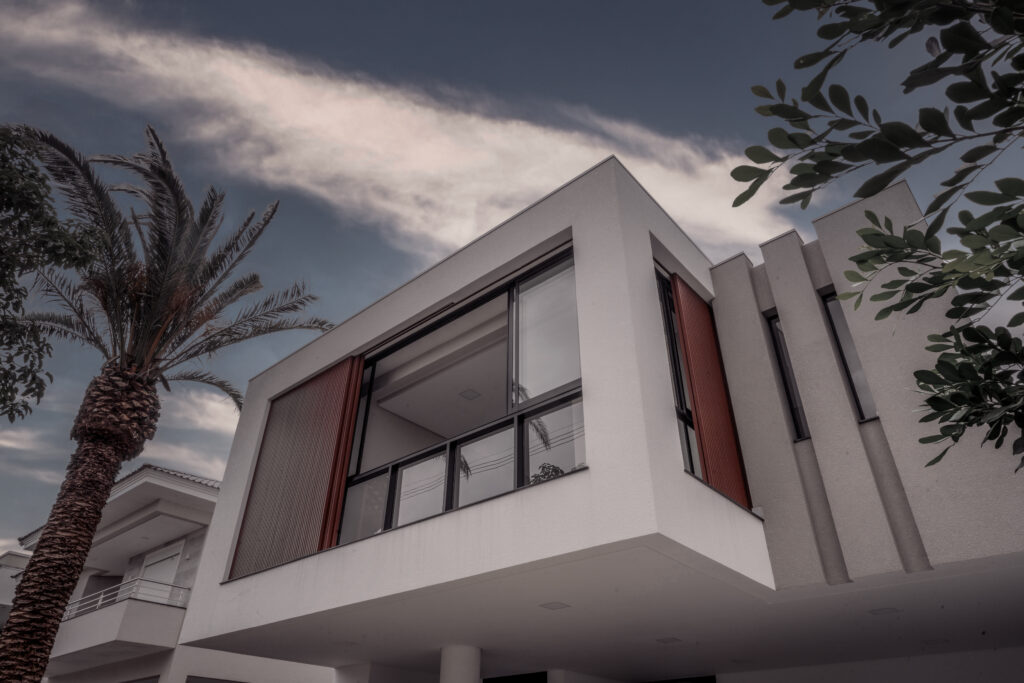
Integration with window frames: movable brises that follow large glass spans with precision and elegance. (Photo: Laguna Archive)
In this context, high-performance PVC window frames work in synergy with the sun shades. While the brise filters light and ensures privacy, the window frame secures the space’s acoustic and thermal insulation. Similarly, flush doors that follow the same slatted pattern as the external brises create a striking visual continuity. By mastering the engineering of these three elements — doors, window frames, and brises — Laguna gives architects the ability to create projects where functionality and aesthetics speak the same language.
The Contemporary Refuge
The use of brises in modern architecture proves that the most sophisticated design is the kind that solves real problems with beauty and intelligence. In an era where the home is seen as our primary refuge, elements that promote physical and emotional well-being become essential.
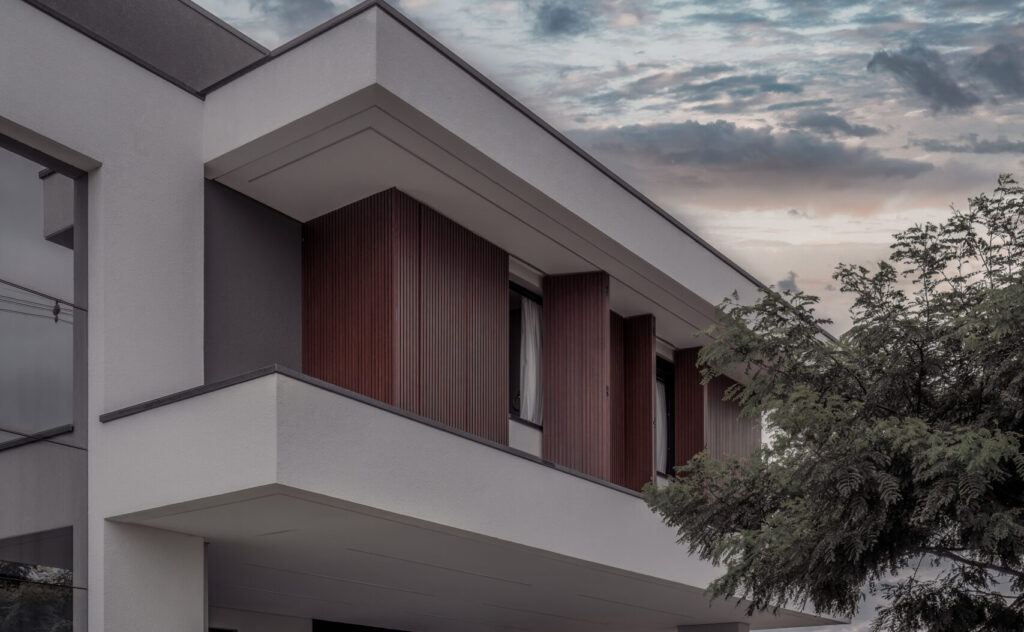
Integration with window frames: movable brises that follow large glass spans with precision and elegance. (Photo: Laguna Archive)
Designing with brises is, at its core, designing with nature itself. It is inviting the sun in gently, embracing natural ventilation, and protecting privacy with lightness. By offering architectural solutions that combine technical precision with aesthetic appeal, Laguna lets architects and clients turn their homes’ facades into true responsive works of art, where every detail is designed to elevate the experience of living.